
Design for Life
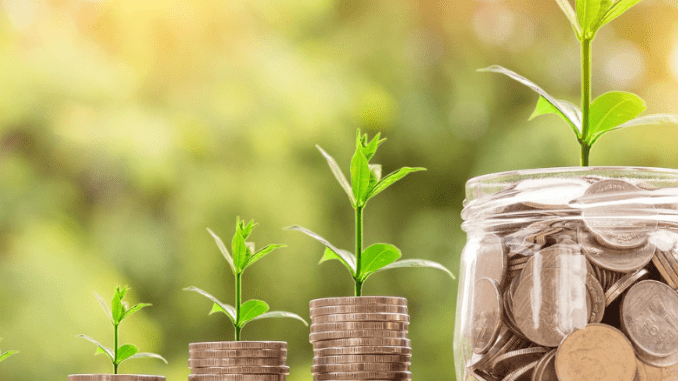
Ethical Finance
From Extractive Economics to Health-Creating Economies
How can residents, businesses, hospitals, universities, foundations, investors, banks, and local governments move money in ways that restore health, build community wealth, reduce harm, and improve quality of life where people are now?
How do we use finance and business to restore community health, public health, local ownership, and quality of life—rather than extracting wealth from the people and places that create it?
Health does not begin in the hospital. Health begins where people live, work, learn, eat, breathe, gather, and build their lives.
A community cannot be healthy if people are trapped in unsafe housing, debt, low wages, food insecurity, pollution, unstable work, unaffordable care, and neighborhoods stripped of local ownership. Public health is shaped by the flow of money. Where capital goes, conditions change. Where capital is extracted, communities weaken. Where capital is rooted, accountable, and used with care, communities can heal.
Design For Life: Restoring Community and Public Health Through Ethical Finance and Business is a Mobilized News conversation about how finance and business can become tools for prevention, repair, local ownership, dignity, and well-being.
The goal is not charity. The goal is to redesign the economies so health, fairness, and community wealth are built into the system from the beginning.
How do we use finance and business to restore community health, public health, local ownership, and quality of life—rather than extracting wealth from the people and places that create it?
What Ethical Finance Means
Ethical finance asks a simple question:
What is our money doing in the world?
It looks at whether money is being used to strengthen life or weaken it.
Ethical finance can include:
- Community development finance.
- Credit unions and community banks.
- Public banks.
- Cooperative finance.
- Community land trusts.
- Employee ownership.
- Local investment funds.
- Patient capital.
- Restorative and reparative capital.
- Impact investing with accountability.
- Mission-driven lending.
- Health-focused community investment.
- Participatory budgeting.
- Anchor-institution purchasing and investing.
- Social enterprises and B Corps.
- Worker cooperatives.
- Local procurement.
- Anti-extractive business models.
Ethical finance is not only about avoiding harm. It is about actively funding the conditions that help people and communities thrive.
Why This Matters for Public Health
Public health is often treated as a medical issue. But many health outcomes are shaped by housing, income, food, transportation, education, safety, environmental conditions, social connection, and access to opportunity.
- That means finance is already shaping health.
- The question is whether it does so blindly—or intentionally.
When hospitals, universities, foundations, cities, banks, businesses, pension funds, and investors move money into affordable housing, local food, clean energy, small businesses, childcare, worker ownership, community clinics, green space, safe transportation, and pollution reduction, they are investing in health.
The Misunderstandings We Need to Overcome
Many people think finance is neutral. It is not. Every investment creates consequences.
Many people think business success means maximizing profit regardless of social cost. But a business that harms workers, communities, health, or nature is not truly successful. It is shifting costs onto others.
Many people think public health belongs only to doctors and hospitals. But the economy is one of the largest public-health systems we have.
Many people think ethical finance means lower standards or weak returns. In reality, ethical finance asks for a fuller definition of return: financial return, social return, health return, ecological return, trust return, and community return.
Many people think poor communities lack solutions. Often, they lack access to fair capital, ownership, infrastructure, and decision-making power.
- Where does the money come from, and where does it go?
- Who owns the assets in this community?
- Who profits from local work, land, housing, care, food, and public spending?
- Does this investment improve health, or does it create hidden health costs?
- Does this business model depend on low wages, debt, pollution, displacement, surveillance, or extraction?
- Are workers paid enough to live with dignity?
- Can workers share ownership, profits, governance, or decision-making?
- Does the business strengthen the local economy or drain wealth out of it?
- Does the financing support prevention, or only crisis response?
- Are hospitals, universities, public agencies, and major local employers using their purchasing power to build community health?
- Are banks and investors financing affordable housing, local businesses, clean energy, food access, childcare, and community infrastructure?
- Are residents involved in deciding what gets funded?
- Does the investment increase community ownership, or increase outside control?
- Is impact being measured honestly, or used as marketing?
- Who defines success: investors, institutions, or the people most affected?
- Does the financial structure give communities time to grow, or does it demand fast extraction?
- What harms from the past need repair: redlining, land theft, exclusion, pollution, wage theft, predatory lending, or disinvestment?
- What local institutions could move money differently right now?
- What would a health-creating local economy look like in daily life?
- What can residents, businesses, public agencies, hospitals, schools, investors, and local leaders do now to move money toward life?
What This Looks Like in Practice
Ethical finance becomes real when a hospital invests in affordable housing because housing is healthcare.
It becomes real when a city buys from local worker-owned businesses.
It becomes real when a foundation moves its endowment into community-controlled funds.
It becomes real when banks support local entrepreneurs who are usually denied capital.
It becomes real when public agencies support community land trusts, cooperatives, local food systems, clean energy, childcare, and neighborhood resilience.
It becomes real when businesses measure success by whether workers, customers, communities, and ecosystems are better off because the business exists.
What People Can Do Where They Are Now
Residents can ask where their banks invest, support credit unions and community banks, buy from local ethical businesses, join cooperatives, support community land trusts, and attend public-budget meetings.
Businesses can pay living wages, shorten supply chains, share ownership, reduce harm, buy locally, and measure impact honestly.
Hospitals and universities can use their purchasing, hiring, land, investment, and lending power to improve community health.
Foundations and investors can move from charity to repair by shifting capital into community-led solutions.
Cities can support public banks, participatory budgeting, local procurement, worker ownership, anti-displacement tools, and community wealth-building strategies.
Journalists can follow the money and show how finance shapes health.
Design For Life Invitation
Mobilized News invites ethical finance leaders, public-health experts, community development finance institutions, cooperative developers, social entrepreneurs, business leaders, hospital systems, foundations, investors, local governments, worker-ownership advocates, and residents to join this conversation.
The purpose is to connect money to health, ownership, dignity, and practical action.
Not just:
How do we grow the economy?
But:
How do we design finance and business so communities become healthier, wealthier, more resilient, and more capable of caring for one another?
This framing is grounded in existing practice. The CDFI Fund says CDFIs help generate economic growth and opportunity in underserved communities; the Democracy Collaborative frames community wealth building around local ownership and control of assets; B Lab says B Corps are part of a movement for a more inclusive, equitable, and fair economy; and the Robert Wood Johnson Foundation uses impact investing as one tool to address barriers to health and well-being.
Design for Life
Mobilized News Announces “Design for Life,” a Connected Media Experience for Restoring Community and Planetary Health
Mobilized News is launching Design for Life, an eight-part connected media experience created to help communities understand how today’s most important systems are connected — and how practical solutions can be put into action locally.
Design for Life brings together experts, community leaders, innovators, organizers, educators, entrepreneurs, public agencies, and residents to explore one essential question:
What would our communities look like if every system was designed to restore life instead of extract from it, exploit people and colonize territories?
The series focuses on the systems people depend on every day: circularity, democracy, ecological economics, energy, food, information technology, mobility, and transportation. Each experience will show how these sectors are not separate issues, but part of one interconnected web of life.
“People are overwhelmed because the problems are presented as separate crises,” said Steven Jay, Co-Founder and Executive Producer of Mobilized News. “Design for Life helps people see the connections — and more importantly, see what they can do where they live.”
Each Design for Life experience will combine expert insight, community stories, practical questions, and clear action pathways. The goal is to help communities move from awareness to understanding, from understanding to coordination, and from coordination to action.
Theeight experiences include:
- Circularity: Turning waste into local wealth
- Democracy: Moving from public frustration to public capability
- Ecological Economics: Making money serve people, place, and planet
- Energy, Mobility, and Transportation: Powering and moving communities differently
- Food: Restoring health from soil to table
- ICT and Public Intelligence: Using technology, media, and data to help communities act wisely
- Ethical Finance
- Smarter Cities
- The Connection between Public and Planetary Health
The series will conclude with a capstone experience, The Web of Life, showing how all of these systems connect and work together to restore community health, ecological well-being, resilience, and shared prosperity.
Design for Life is part of the Mobilized News mission to help people understand what is changing, why it matters, what is working, and how to participate in building healthier communities.
About Mobilized News
Mobilized News is a solutions-focused media commons connecting signals, systems, solutions, events, and action. Its mission is to help people see what is changing, understand what is connected, and put ideas into action for a healthier, more resilient world.
INVITATION
You Are Invited to Design for Life
Dear friends, partners, and solution-builders,
Mobilized News invites you to take part in Design for Life, a connected media experience created to help communities restore health, well-being, resilience, and possibility.
We are bringing together experts, community leaders, innovators, educators, organizers, public agencies, businesses, and citizens to explore how the systems we depend on can be redesigned to serve life.
Today, people are facing pressure from every direction: rising costs, climate disruption, distrust, food insecurity, energy stress, transportation challenges, waste, misinformation, and broken systems that no longer meet the needs of our time.
But these challenges are connected.
So are the solutions.
Design for Life will focus on six connected conversations:
- Circularity: How we design waste out of our communities
- Democracy: How people participate beyond elections
- Ecological Economics: How money can serve people and place
- Energy, Mobility, and Transportation: How we power and move communities differently
- Food: How we restore health from soil to table
- ICT and Public Intelligence: How media, data, and technology can help people act wisely
Each experience will ask:
What is changing?
Why does it matter?
Who is already building solutions?
How are these systems connected?
What can communities do now?
The final experience, The Web of Life, will bring everything together and show how healthy communities are created when food, energy, transportation, circularity, finance, democracy, and information systems work in harmony.
We invite you to participate as a speaker, partner, contributor, collaborator, community host, sponsor, media maker, educator, or engaged citizen.
This is more than an event series.
It is a practical pathway to help communities move from:
Awareness → Understanding → Connection → Coordination → Action
The future is not something we wait for.
It is something we design together.
Join us for Design for Life.
Mobilized News
The world as it is — and what it can become.
Design for Life
Smarter Cities and Communities
How do we create smarter cities that are interconnected, interdependent, democratic, resilient, ecological, and designed to improve quality of life for everyone—not just optimize systems for efficiency?
How can residents, planners, technologists, public agencies, businesses, and local leaders redesign cities so mobility, housing, food, water, energy, health, public space, digital infrastructure, and nature work together to improve quality of life?
How do we make cities wise, connected, healthy, democratic, resilient, and designed for life?
From “Smart City” Technology to Living City Intelligence
A smarter city is not a city covered in sensors. A smarter city is a place where people, neighborhoods, institutions, infrastructure, nature, and technology work together to improve daily life.
For too long, “smart city” has often meant cameras, dashboards, apps, data collection, automation, and vendor-driven technology. But cities are not machines. They are living systems. A city becomes truly smarter when it helps people breathe cleaner air, move safely, find housing, access food and healthcare, participate in decisions, reduce waste, prepare for shocks, build trust, and live with dignity.
Design For Life: Interconnected, Interdependent Smarter Cities is a Mobilized News conversation about redesigning cities as living systems—where mobility, housing, energy, water, food, health, public space, digital infrastructure, culture, education, local economies, and nature are connected instead of treated as separate problems.
What a Smarter City Really Means
A smarter city uses knowledge, technology, design, policy, and participation to help people live better.
That means:
- Streets designed for people, not only cars.
- Neighborhoods where daily needs are close by.
- Public transportation that is reliable, affordable, safe, and connected.
- Housing near jobs, schools, parks, food, healthcare, and transit.
- Energy systems that are cleaner, more local, and more resilient.
- Water systems that conserve, protect, and restore.
- Digital tools that serve the public without violating privacy.
- Public spaces that build connection, safety, culture, and belonging.
- Data that helps solve problems without becoming surveillance.
- Community participation before decisions are made.
- Local economies that create opportunity, not displacement.
- Nature built into the city through trees, shade, soil, wetlands, parks, and biodiversity.
A smarter city is not only high-tech. It is high-trust.
Why Interconnection Matters
Cities fail when systems are disconnected.
Transportation policy affects air quality. Housing policy affects health. Tree cover affects heat. Food access affects public health. Digital access affects education and opportunity. Water management affects flooding. Public space affects loneliness, safety, democracy, and local business. Energy systems affect resilience during disasters.
When each system is planned separately, people experience the failures together.
Interconnected cities ask:
How does this decision affect the whole life of the community?
The Misunderstandings We Need to Overcome
Many people think smart cities are about technology first.
They are not.
Technology can help, but it can also harm if it is used without public trust, privacy protections, equity, accountability, and human judgment.
Many people think density automatically means crowding. But good density can support walkability, transit, local business, public services, and shared life when it is designed well.
Many people think climate action is separate from daily quality of life. But shade, clean air, safe streets, efficient buildings, affordable mobility, flood protection, and local food systems improve life now.
Many people think participation slows progress. In reality, participation prevents bad decisions, builds trust, reveals local knowledge, and creates solutions people will actually use:
- Who is this city being designed for?
- Who benefits from the current system, and who carries the burden?
- Does this project improve daily life for residents, or mainly produce data, branding, or private profit?
- Does the technology solve a real public problem, or is it a solution looking for a problem?
- What happens to privacy, consent, and civil rights when city systems collect data?
- Can residents understand, question, and challenge how data and algorithms are used?
- Does this make public services easier to access, or harder for people without digital tools?
- How are housing, mobility, health, climate, food, energy, water, and public space connected in this decision?
- Does this project reduce inequality, or could it accelerate displacement and exclusion?
- Are local communities involved before decisions are made, or only informed afterward?
- Does this city give people more choices for walking, biking, transit, local services, and public life?
- Can people meet daily needs close to home without needing a car for everything?
- Are streets designed for safety, health, and human connection?
- How does the city protect children, older adults, disabled residents, workers, and low-income communities?
- Does the city use nature as infrastructure: trees, shade, soil, wetlands, parks, biodiversity, and water absorption?
- What systems become vulnerable during heat waves, floods, cyberattacks, blackouts, pandemics, or economic shocks?
- Can public agencies coordinate, or are they trapped in silos?
- Are public-private partnerships accountable to the public?
- What local skills, businesses, civic groups, schools, libraries, and community organizations can help maintain the system?
- What can residents, planners, technologists, businesses, and public officials do now to make the city more livable, fair, resilient, and connected?
What People Can Do Where They Are Now
Residents can map what is missing in their neighborhoods: shade, sidewalks, benches, food access, transit, safe crossings, broadband, clinics, parks, repair shops, public toilets, community spaces, and emergency resources.
Journalists can explain how city systems connect instead of covering every issue separately.
Schools and libraries can become civic learning hubs for local problem-solving.
City governments can create open, plain-language public dashboards that explain decisions, not just display data.
Planners can design streets and neighborhoods around people’s daily lives.
Technologists can build tools with communities, not just sell systems to cities.
Businesses can support local circular economies, clean mobility, affordable services, and neighborhood resilience.
Public agencies can coordinate housing, health, mobility, climate, food, water, and digital access as one connected system.
Design for Life
Clean and Renewable Energy
How do we restore energy systems so they are clean, reliable, affordable, locally beneficial, democratically accountable, and designed to improve quality of life for everyone?
From “How do we produce cleaner power?” to “How do we restore energy as a life-support system that is clean, affordable, reliable, democratic, resilient, and locally beneficial?
What can residents, schools, local governments, businesses, utilities, public agencies, and community leaders do where they are now to restore energy as a life-support system—not merely a commodity?
Design For Life: Restoring Energy
From Extractive Power to Local, Clean, Reliable, Affordable Energy
Energy is not only electricity. Energy is life support.
It heats and cools homes. It powers hospitals, schools, food systems, water systems, communications, transportation, businesses, and emergency response. When energy fails, daily life fails with it. When energy is too expensive, families suffer. When energy is dirty, public health suffers. When energy systems are controlled far away from the people who depend on them, communities lose power in more ways than one.
Design For Life: Restoring Energy is a Mobilized News conversation about how people, communities, businesses, public agencies, and policymakers can redesign energy systems for health, affordability, reliability, resilience, local ownership, and ecological repair.
The goal is not simply to replace fossil fuels with cleaner technologies. The deeper goal is to restore energy as a public-good system that supports life.
What Restoring Energy Means
Restoring energy means moving from an extractive energy system to a regenerative one.
It means:
- Using less energy through better buildings, appliances, design, and efficiency.
- Producing more energy from clean renewable sources.
- Expanding community solar, rooftop solar, wind, geothermal, storage, and microgrids where they make sense.
- Making homes healthier through electrification, weatherization, insulation, and safer heating and cooling.
- Modernizing the grid so it can handle distributed clean energy.
- Protecting people from high bills and shutoffs.
- Building local energy jobs and ownership.
- Making energy systems more resilient during storms, heat waves, cyberattacks, fires, and outages.
- Centering the communities most harmed by pollution, energy burden, and unreliable infrastructure.
- Designing energy as a service to life, not only as a commodity.
The Misunderstandings We Need to Overcome
Many people think the energy transition is only about climate.
It is also about health, bills, jobs, safety, comfort, independence, public trust, and local resilience.
Many people think clean energy is unreliable. In reality, reliability depends on system design: grid planning, storage, transmission, distributed energy, demand response, efficiency, backup power, and strong public accountability.
Many people think clean energy is too expensive. But the real question is: expensive for whom, compared with what, and over what time period? Fossil fuel systems carry hidden costs in pollution, health impacts, disasters, fuel volatility, military risk, and infrastructure damage.
Many people think energy is too technical for ordinary citizens. But every household, business, school, farm, and city depends on energy decisions. People do not need to become engineers to ask the right questions.
- Who owns the energy system, and who benefits from it?
- Who pays the highest energy bills as a share of income?
- Who lives closest to pollution from power plants, refineries, pipelines, highways, ports, or industrial sites?
- What happens to this community during power outages, storms, extreme heat, floods, or cyberattacks?
- Are energy decisions being made with the public, or merely announced to the public?
- Can residents access clean energy if they rent, live in apartments, have low credit, or cannot afford rooftop solar?
- Is community solar available, and do the benefits actually reach local households?
- Can schools, libraries, clinics, fire stations, senior centers, and community centers become resilience hubs with solar, storage, and backup power?
- Are homes well insulated, safe, efficient, and affordable to heat and cool?
- Could electrification reduce indoor air pollution, monthly costs, and fossil fuel dependence?
- Does the local grid have enough capacity for clean energy, electric vehicles, heat pumps, and new demand?
- Are utilities rewarded for helping people use less energy, or for building more infrastructure and selling more power?
- What energy choices create local jobs, ownership, training, and wealth?
- Are workers and fossil-fuel-dependent communities included in transition planning?
- What role should public power, cooperatives, community ownership, and municipal energy play?
- How can energy systems support food, water, transportation, housing, healthcare, and emergency response?
- What is the full cost of doing nothing?
- Which claims about clean energy are supported by evidence, and which are misinformation?
- What policies would make clean, reliable energy easier for ordinary people to access?
- What can people do now: reduce waste, weatherize, electrify, join community solar, advocate, organize, invest locally, or build resilience hubs?
What Energy Restoration Looks Like in Daily Life
Energy restoration is visible when homes are comfortable in extreme heat and cold without crushing bills.
It is visible when a neighborhood resilience hub stays powered during an outage.
It is visible when renters can benefit from solar.
It is visible when a school saves money with clean energy and uses those savings for students.
It is visible when local workers are trained for good jobs in solar, storage, efficiency, weatherization, geothermal, grid modernization, and building electrification.
It is visible when communities that once carried pollution now share in ownership, decision-making, and benefits.
What People Can Do Where They Are Now
Residents can start with an energy bill, a home energy audit, weatherization, efficient appliances, safer heating and cooling, community solar options, and local utility meetings.
Schools can become demonstration sites for solar, storage, efficiency, food resilience, and climate education.
Local governments can create clean-energy plans that include affordability, resilience, public health, workforce development, and community ownership.
Businesses can reduce energy waste, install clean power, protect workers from outages, and support local energy projects.
Utilities can become partners in resilience rather than barriers to distributed energy.
Journalists can explain energy systems in plain language: who owns them, who pays, who profits, who is harmed, and what solutions are working.
From “How do we produce cleaner power?” to “How do we restore energy as a life-support system that is clean, affordable, reliable, democratic, resilient, and locally beneficial?


