
Connect with us

Design for Life

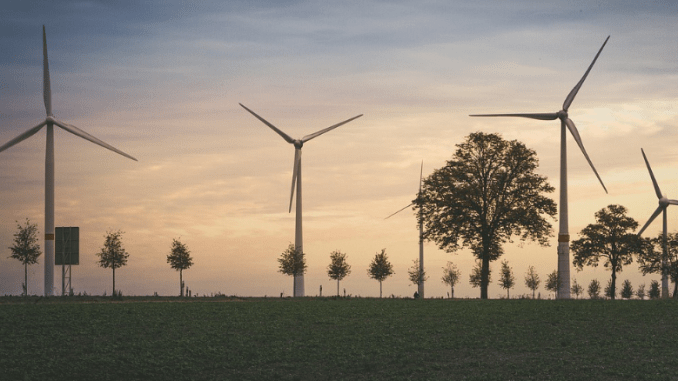
Clean and Renewable Energy

Published

on

Clean and Renewable Energy

The big question is: How can we design systems that support all life, not extract, exploit or colonize life?


  1. What does a clean and renewable energy system really mean?
    How is it different from simply adding solar panels or wind farms to the existing energy system?
  2. What is broken in the current energy system?
    Where are the biggest failures: fossil fuel dependence, outdated grids, energy waste, utility rules, permitting delays, energy poverty, finance, or political resistance?
  3. What systems change is needed now?
    What has to change in generation, storage, transmission, local ownership, buildings, transportation, public policy, and community planning?
  4. Where are the best real-world solutions already working?
    Can you point to communities, regions, cooperatives, public utilities, companies, or countries that are proving clean energy can be reliable, affordable, and locally beneficial?
  5. What can people do where they are now?
    What are practical first steps for households, renters, schools, small businesses, faith groups, local governments, and community organizations?
  6. How do we move from centralized energy control to community energy power?
    What role can community solar, microgrids, energy cooperatives, public utilities, and local resilience hubs play?
  7. What are the biggest barriers to faster clean energy adoption?
    Is the main challenge technology, grid capacity, permitting, financing, public trust, workforce, misinformation, or outdated business models?
  8. How can clean energy create healthier and stronger communities?
    What are the benefits for public health, local jobs, lower energy bills, disaster resilience, air quality, and energy independence?
  9. What policies or incentives would unlock faster progress?
    What should governments, utilities, regulators, schools, housing authorities, and public agencies do now to make clean energy easier, cheaper, and more accessible?
  10. What is the story people need to hear?
    How do we help people move from climate anxiety and energy confusion to practical action, local ownership, and confidence that better systems are possible?
Continue Reading

Design for Life

Design for Life

Published

on

“We are called to be the architects of the future, not its victims.”

–R. Buckminster Fuller.

We have built much of modern life on systems designed for another time: an industrial age of endless extraction, centralized control, cheap energy, disposable products, and separation from nature. Those systems helped create growth, convenience, and connection, but they were never designed for the pressures we face now: climate disruption, public health stress, rising inequality, fragile supply chains, broken trust, and communities struggling to meet basic needs.

Humanity’s systems upgrade is not about replacing one ideology with another. It is about asking a practical question: How do we redesign the systems we depend on so they support life, health, dignity, and shared prosperity? Energy, food, finance, mobility, materials, media, technology, cities, democracy, and health are not separate issues. They are connected parts of one living system. When one breaks down, the pressure spreads. When one is redesigned wisely, the benefits can ripple outward.

This Mobilized News interview series explores that possibility. Through conversations with people already building better ways forward, we will look at what is broken, what is working, where the solutions are, and what people can do where they are now. The goal is simple: to move from overwhelm to understanding, from understanding to action, and from action to a healthier future for all life.

To create a “Web of Life” for all Life, Mobilized has developed an interconnected, interdependent communications network that connects the wisdom of experts into the action steps that people can take where they are, now–which is connected directly to ecologically sensible and ethical solutions providers worldwide.  We encourage participation from conscious creators who are looking to implement the solutions into action where they are, now.

Public and Planetary Health Systems

  1. What does the connection between public health and planetary health really mean?
    How are human health, ecological health, climate stability, biodiversity, food, water, housing, and community well-being part of one connected system?
  2. What is broken in the current health system?
    Where are the biggest failures: pollution, chronic disease, climate exposure, food systems, toxic chemicals, poor housing, weak prevention, ecosystem destruction, or treating illness after harm has already happened?
  3. What systems change is needed now?
    What has to change in healthcare, urban planning, food and water systems, energy, transportation, housing, education, public policy, and economic design?
  4. Where are public and planetary health solutions already working?
    Can you point to communities, cities, Indigenous-led initiatives, health systems, farms, schools, or public agencies that are improving human and ecological health together?
  5. What can people do where they are now?
    What are practical first steps for families, schools, neighborhoods, healthcare providers, small businesses, nonprofits, local governments, and community groups?
  6. How do we move from treating sickness to designing for health?
    What would it look like to prevent illness by improving air, water, food, housing, mobility, nature access, social connection, and local resilience?
  7. Which health risks are rising because ecological systems are under stress?
    How should communities understand the links between heat, flooding, wildfire smoke, air pollution, water contamination, vector-borne disease, food insecurity, and mental health?
  8. How can healthcare become a force for planetary health?
    What can hospitals, clinics, insurers, medical schools, public health agencies, and care providers do to reduce harm and build healthier local systems?
  9. What policies, investments, or partnerships would unlock faster progress?
    What should governments, health systems, schools, planners, funders, businesses, and community organizations do now to align public health with ecological restoration?
  10. What is the story people need to hear?
    How do we help people move from fear, illness, and ecological grief to practical action, prevention, community care, and confidence that healthier systems are possible?

Circularity in Materials and Resources

  1. What does “circularity” really mean beyond recycling?
    How should people understand the shift from a take-make-waste economy to a system that designs out waste from the beginning?
  2. What is broken in the current materials and resources system?
    Where do you see the biggest failures: extraction, product design, packaging, supply chains, consumer culture, waste management, policy, or finance?
  3. What is the systems change that needs to happen?
    What has to change at the level of design, business models, ownership, infrastructure, regulation, and public behavior?
  4. Where are the best real-world solutions already working?
    Can you point to cities, companies, communities, cooperatives, or regions that are proving circular materials systems can work?
  5. What can people do where they are now?
    What are practical first steps for households, schools, neighborhoods, small businesses, local governments, and institutions?
  6. How do we move from recycling after the damage is done to redesigning before the damage happens?
    What role do designers, manufacturers, retailers, builders, and procurement officers play?
  7. What materials or resource streams need the most urgent attention?
    Plastics, textiles, electronics, construction materials, food waste, critical minerals, packaging, or something else?
  8. How can circularity create local jobs and stronger communities?
    What are the opportunities in repair, reuse, remanufacturing, composting, sharing systems, local production, and materials recovery?
  9. What policies or incentives would unlock faster progress?
    What should governments, cities, and public agencies do now to make circular systems easier, cheaper, and more accessible?
  10. What is the story people need to hear?
    How do we help the public move from guilt and confusion to agency, imagination, and practical action?

Personal and Digital Democracy

  1. What does “personal and digital democracy” mean in everyday life?
    How is democracy shaped not only by elections, but by media, technology, identity, privacy, participation, and public trust?
  2. What is broken in the current information and democracy system?
    Where are the biggest failures: misinformation, surveillance, platform power, political division, civic disengagement, data extraction, media collapse, or lack of public participation?
  3. What systems change is needed now?
    What has to change in technology design, public media, education, platform governance, civic life, local decision-making, and digital rights?
  4. How can people protect their attention, privacy, and agency?
    What practical steps can individuals take right now to become less manipulated, less overwhelmed, and more capable online?
  5. Where are the real-world solutions already working?
    Can you point to communities, platforms, public-interest technologies, media projects, civic networks, or governments that are rebuilding trust and participation?
  6. How do we move from being users and consumers to becoming citizens and co-creators?
    What does meaningful participation look like in digital spaces, local communities, public policy, and everyday decision-making?
  7. What role should technology play in democracy?
    How can digital tools support transparency, collaboration, public problem-solving, and community power without becoming systems of control?
  8. How do we rebuild trust in information?
    What can journalists, educators, technologists, libraries, communities, and citizens do to strengthen truth, context, media literacy, and accountability?
  9. What policies or protections are needed?
    What should governments, cities, schools, platforms, and public institutions do now around privacy, data rights, algorithmic accountability, AI, cybersecurity, and digital access?
  10. What can people do where they are now?
    What are the first practical actions a person, family, school, newsroom, business, nonprofit, or local government can take to strengthen democracy in daily life?

Clean and Renewable Energy

  1. What does a clean and renewable energy system really mean?
    How is it different from simply adding solar panels or wind farms to the existing energy system?
  2. What is broken in the current energy system?
    Where are the biggest failures: fossil fuel dependence, outdated grids, energy waste, utility rules, permitting delays, energy poverty, finance, or political resistance?
  3. What systems change is needed now?
    What has to change in generation, storage, transmission, local ownership, buildings, transportation, public policy, and community planning?
  4. Where are the best real-world solutions already working?
    Can you point to communities, regions, cooperatives, public utilities, companies, or countries that are proving clean energy can be reliable, affordable, and locally beneficial?
  5. What can people do where they are now?
    What are practical first steps for households, renters, schools, small businesses, faith groups, local governments, and community organizations?
  6. How do we move from centralized energy control to community energy power?
    What role can community solar, microgrids, energy cooperatives, public utilities, and local resilience hubs play?
  7. What are the biggest barriers to faster clean energy adoption?
    Is the main challenge technology, grid capacity, permitting, financing, public trust, workforce, misinformation, or outdated business models?
  8. How can clean energy create healthier and stronger communities?
    What are the benefits for public health, local jobs, lower energy bills, disaster resilience, air quality, and energy independence?
  9. What policies or incentives would unlock faster progress?
    What should governments, utilities, regulators, schools, housing authorities, and public agencies do now to make clean energy easier, cheaper, and more accessible?
  10. What is the story people need to hear?
    How do we help people move from climate anxiety and energy confusion to practical action, local ownership, and confidence that better systems are possible?

Community-Owned Clean and Renewable Energy

  • What does community-owned clean energy really mean?
    How is it different from large-scale renewable energy owned by utilities, corporations, or outside investors?
  • What is broken in the current energy ownership system?
    Where are the biggest failures: monopoly control, high energy bills, energy poverty, lack of local decision-making, grid fragility, fossil fuel dependence, or unequal access?
  • What systems change is needed now?
    What has to change in energy ownership, finance, utility regulation, grid design, permitting, public policy, and community participation?
  • Where are community-owned clean energy solutions already working?
    Can you point to towns, cooperatives, tribes, neighborhoods, public utilities, housing groups, schools, or local governments proving this model works?
  • What can people do where they are now?
    What are practical first steps for renters, homeowners, faith groups, schools, small businesses, nonprofits, neighborhood associations, and local governments?
  • How can community energy reduce costs and build local wealth?
    How do community solar, microgrids, energy cooperatives, public power, shared battery storage, and local efficiency programs keep benefits in the community?
  • How does community-owned energy improve resilience?
    What role can local clean energy play during storms, heat waves, grid outages, disasters, and rising energy demand?
  • What are the biggest barriers communities face?
    Is the challenge financing, utility opposition, permitting, technical knowledge, land access, public trust, legal rules, or lack of organizing capacity?
  • What policies and funding would unlock faster progress?
    What should cities, states, utilities, public agencies, schools, housing authorities, and funders do now to make community energy easier and more accessible?
  • What is the story people need to hear?
    How do we help people move from feeling powerless over energy bills and climate disruption to seeing energy as something communities can own, shape, and benefit from together?

Food Production and Distribution, Precision Fermentation, and Cellular Agriculture

  1. What does a healthy food system really mean?
    How is it different from simply producing more food, cheaper food, or more technologically advanced food?
  2. What is broken in the current food production and distribution system?
    Where are the biggest failures: soil loss, hunger, food waste, supply-chain fragility, corporate concentration, animal agriculture, public health, labor conditions, or access to healthy food?
  3. What systems change is needed now?
    What has to change in farming, distribution, ownership, procurement, land use, food technology, nutrition, finance, and public policy?
  4. Where are the best real-world solutions already working?
    Can you point to farms, food hubs, cities, schools, cooperatives, companies, or regions that are creating healthier, fairer, more resilient food systems?
  5. What role should precision fermentation and cellular agriculture play?
    Where can these technologies reduce harm, improve nutrition, lower resource use, or strengthen food security — and where should we be cautious?
  6. How do we balance high-tech food innovation with local food sovereignty?
    How can communities benefit from new food technologies without becoming dependent on another centralized, extractive system?
  7. What can people do where they are now?
    What are practical first steps for households, schools, restaurants, grocers, farmers, local governments, and community organizations?
  8. How can food systems improve public health and planetary health at the same time?
    What solutions address nutrition, chronic disease, climate pressure, biodiversity, water use, soil health, and animal welfare together?
  9. What policies or incentives would unlock faster progress?
    What should governments, schools, hospitals, public agencies, investors, and food companies do now to support healthier and more resilient food systems?
  10. What is the story people need to hear?
    How do we help people move from food confusion, scarcity, and distrust to practical action, better choices, local resilience, and confidence that better food systems are possible?

Community-Owned Clean and Renewable Energy

  1. What does community-owned clean energy really mean?
    How is it different from large-scale renewable energy owned by utilities, corporations, or outside investors?
  2. What is broken in the current energy ownership system?
    Where are the biggest failures: monopoly control, high energy bills, energy poverty, lack of local decision-making, grid fragility, fossil fuel dependence, or unequal access?
  3. What systems change is needed now?
    What has to change in energy ownership, finance, utility regulation, grid design, permitting, public policy, and community participation?
  4. Where are community-owned clean energy solutions already working?
    Can you point to towns, cooperatives, tribes, neighborhoods, public utilities, housing groups, schools, or local governments proving this model works?
  5. What can people do where they are now?
    What are practical first steps for renters, homeowners, faith groups, schools, small businesses, nonprofits, neighborhood associations, and local governments?
  6. How can community energy reduce costs and build local wealth?
    How do community solar, microgrids, energy cooperatives, public power, shared battery storage, and local efficiency programs keep benefits in the community?
  7. How does community-owned energy improve resilience?
    What role can local clean energy play during storms, heat waves, grid outages, disasters, and rising energy demand?
  8. What are the biggest barriers communities face?
    Is the challenge financing, utility opposition, permitting, technical knowledge, land access, public trust, legal rules, or lack of organizing capacity?
  9. What policies and funding would unlock faster progress?
    What should cities, states, utilities, public agencies, schools, housing authorities, and funders do now to make community energy easier and more accessible?
  10. What is the story people need to hear?
    How do we help people move from feeling powerless over energy bills and climate disruption to seeing energy as something communities can own, shape, and benefit from together?

Ethical Finance

  1. What does ethical finance really mean?
    How is it different from charity, ESG branding, impact investing, or traditional finance with better language?
  2. What is broken in the current financial system?
    Where are the biggest failures: extraction, inequality, debt dependence, short-term returns, speculation, fossil fuel finance, lack of transparency, or disconnection from real community needs?
  3. What systems change is needed now?
    What has to change in banking, investment, insurance, public finance, philanthropy, procurement, community ownership, and accountability?
  4. Where are ethical finance solutions already working?
    Can you point to community banks, credit unions, public banks, cooperative funds, local investment models, regenerative finance projects, or cities proving better finance is possible?
  5. What can people do where they are now?
    What are practical first steps for individuals, families, small businesses, nonprofits, faith groups, local governments, and institutions?
  6. How can finance move from extraction to restoration?
    What would it look like for money to repair communities, restore ecosystems, strengthen local economies, and support long-term well-being?
  7. How do we know whether finance is truly ethical?
    What questions should people ask about where their money is held, invested, lent, insured, or used?
  8. What role can local and community-controlled finance play?
    How can credit unions, public banks, mutual aid funds, community land trusts, cooperatives, and local investment networks keep wealth circulating locally?
  9. What policies or incentives would unlock faster progress?
    What should governments, regulators, pension funds, universities, foundations, businesses, and public agencies do now to align finance with public good?
  10. What is the story people need to hear?
    How do we help people move from feeling powerless about money to understanding that finance can become a tool for democracy, resilience, justice, and life?

ICT and Cybersecurity

  1. What does a healthy digital system look like?
    How is it different from simply having faster technology, more apps, more data, or more automation?
  2. What is broken in the current ICT and cybersecurity system?
    Where are the biggest failures: surveillance, data extraction, cyberattacks, misinformation, platform monopolies, weak privacy protections, digital exclusion, or overdependence on centralized systems?
  3. What systems change is needed now?
    What has to change in technology design, public policy, ownership, procurement, digital rights, cybersecurity standards, education, and public-interest infrastructure?
  4. Where are the best real-world solutions already working?
    Can you point to communities, governments, nonprofits, open-source projects, cooperatives, companies, or public agencies building safer, more democratic digital systems?
  5. What can people do where they are now?
    What are practical first steps for individuals, families, schools, small businesses, nonprofits, local governments, and community organizations to become safer and more capable online?
  6. How do we move from digital dependence to digital sovereignty?
    What role can open-source tools, local data ownership, public digital infrastructure, community broadband, and independent media play?
  7. What are the biggest cybersecurity risks people underestimate?
    Where are communities most vulnerable: passwords, phishing, ransomware, cloud dependence, outdated software, connected devices, supply chains, or lack of training?
  8. How can cybersecurity become a public service, not just a private expense?
    What would it look like for cybersecurity to protect schools, hospitals, municipalities, small businesses, journalists, activists, and everyday people?
  9. What policies or investments would unlock safer digital systems?
    What should governments, businesses, schools, public agencies, funders, and technology providers do now around privacy, AI safety, encryption, digital literacy, procurement, and cyber resilience?
  10. What is the story people need to hear?
    How do we help people move from fear, confusion, and digital overwhelm to practical confidence, shared protection, and the ability to shape technology in service of life?

Smarter Cities and Communities

  1. What does a truly smarter city mean?
    How is it different from simply adding sensors, apps, cameras, data systems, or “smart” technology to existing urban problems?
  2. What is broken in the current city and community system?
    Where are the biggest failures: housing, transportation, energy, food access, public health, climate resilience, digital access, public trust, land use, or local decision-making?
  3. What systems change is needed now?
    What has to change in planning, infrastructure, governance, public services, procurement, technology, community ownership, and civic participation?
  4. Where are smarter city solutions already working?
    Can you point to neighborhoods, towns, cities, cooperatives, public agencies, or community-led projects that are improving quality of life in practical ways?
  5. What can people do where they are now?
    What are first steps for residents, neighborhood groups, schools, small businesses, local governments, nonprofits, and public agencies?
  6. How can cities use technology without becoming systems of surveillance or control?
    What safeguards are needed around privacy, data ownership, transparency, AI, cybersecurity, and public accountability?
  7. How can smarter cities become healthier, more affordable, and more resilient?
    What solutions connect housing, mobility, clean energy, green space, water, food systems, emergency preparedness, and public health?
  8. How do we move from top-down planning to community-shaped development?
    What does meaningful participation look like when residents help design the systems, services, and spaces they depend on?
  9. What policies, funding, or partnerships would unlock faster progress?
    What should city leaders, planners, public agencies, universities, businesses, philanthropies, and community organizations do now?
  10. What is the story people need to hear?
    How do we help people move from frustration with broken city systems to confidence that their community can be redesigned for health, dignity, resilience, and shared prosperity?

Mobility and Transportation as a System

  1. What does mobility as a system really mean?
    How is it different from simply building more roads, adding more cars, or improving one form of transportation at a time?
  2. What is broken in the current transportation system?
    Where are the biggest failures: congestion, car dependence, unsafe streets, poor public transit, high costs, pollution, land use, lack of access, or disconnected planning?
  3. What systems change is needed now?
    What has to change in transportation design, housing, zoning, public transit, freight, street safety, funding, technology, and local decision-making?
  4. Where are the best real-world solutions already working?
    Can you point to cities, towns, regions, cooperatives, public agencies, or community-led projects that are proving better mobility systems are possible?
  5. What can people do where they are now?
    What are practical first steps for residents, commuters, schools, employers, neighborhood groups, local governments, and small businesses?
  6. How do we move from car dependence to real mobility freedom?
    What role should walking, biking, public transit, shared mobility, rail, microtransit, electric vehicles, safe streets, and complete neighborhoods play?
  7. How can transportation improve health, affordability, and quality of life?
    What solutions reduce household costs, pollution, crashes, isolation, commute stress, and unequal access to jobs, schools, healthcare, food, and community life?
  8. How should technology be used in mobility systems?
    How can apps, data, electrification, route planning, fare systems, autonomous vehicles, and mobility-as-a-service help people without increasing surveillance, exclusion, or corporate control?
  9. What policies, funding, or partnerships would unlock faster progress?
    What should transportation agencies, city planners, employers, schools, public health leaders, housing agencies, and community organizations do now?
  10. What is the story people need to hear?
    How do we help people move from traffic frustration and transportation stress to seeing mobility as a public service that can create safer, healthier, more connected communities?


Continue Reading

Design for Life

Mobility and Transportation as a System

Published

on

Right now, people around the world continue devoloping improved I.C.T. (Information/Communications/Technology systems) We will addressing how communities can restore health where they are now through improved I.C.T. systems.

Mobility and Transportation as a System

  1. What does mobility as a system really mean?
    How is it different from simply building more roads, adding more cars, or improving one form of transportation at a time?
  2. What is broken in the current transportation system?
    Where are the biggest failures: congestion, car dependence, unsafe streets, poor public transit, high costs, pollution, land use, lack of access, or disconnected planning?
  3. What systems change is needed now?
    What has to change in transportation design, housing, zoning, public transit, freight, street safety, funding, technology, and local decision-making?
  4. Where are the best real-world solutions already working?
    Can you point to cities, towns, regions, cooperatives, public agencies, or community-led projects that are proving better mobility systems are possible?
  5. What can people do where they are now?
    What are practical first steps for residents, commuters, schools, employers, neighborhood groups, local governments, and small businesses?
  6. How do we move from car dependence to real mobility freedom?
    What role should walking, biking, public transit, shared mobility, rail, microtransit, electric vehicles, safe streets, and complete neighborhoods play?
  7. How can transportation improve health, affordability, and quality of life?
    What solutions reduce household costs, pollution, crashes, isolation, commute stress, and unequal access to jobs, schools, healthcare, food, and community life?
  8. How should technology be used in mobility systems?
    How can apps, data, electrification, route planning, fare systems, autonomous vehicles, and mobility-as-a-service help people without increasing surveillance, exclusion, or corporate control?
  9. What policies, funding, or partnerships would unlock faster progress?
    What should transportation agencies, city planners, employers, schools, public health leaders, housing agencies, and community organizations do now?
  10. What is the story people need to hear?
    How do we help people move from traffic frustration and transportation stress to seeing mobility as a public service that can create safer, healthier, more connected communities?


Continue Reading

Design for Life

I.C.T. and Cybersecurity

Published

on

Right now, people around the world continue devoloping improved I.C.T. (Information/Communications/Technology systems) We will addressing how communities can restore health where they are now through improved I.C.T. systems.

ICT and Cybersecurity

  1. What does a healthy digital system look like?
    How is it different from simply having faster technology, more apps, more data, or more automation?
  2. What is broken in the current ICT and cybersecurity system?
    Where are the biggest failures: surveillance, data extraction, cyberattacks, misinformation, platform monopolies, weak privacy protections, digital exclusion, or overdependence on centralized systems?
  3. What systems change is needed now?
    What has to change in technology design, public policy, ownership, procurement, digital rights, cybersecurity standards, education, and public-interest infrastructure?
  4. Where are the best real-world solutions already working?
    Can you point to communities, governments, nonprofits, open-source projects, cooperatives, companies, or public agencies building safer, more democratic digital systems?
  5. What can people do where they are now?
    What are practical first steps for individuals, families, schools, small businesses, nonprofits, local governments, and community organizations to become safer and more capable online?
  6. How do we move from digital dependence to digital sovereignty?
    What role can open-source tools, local data ownership, public digital infrastructure, community broadband, and independent media play?
  7. What are the biggest cybersecurity risks people underestimate?
    Where are communities most vulnerable: passwords, phishing, ransomware, cloud dependence, outdated software, connected devices, supply chains, or lack of training?
  8. How can cybersecurity become a public service, not just a private expense?
    What would it look like for cybersecurity to protect schools, hospitals, municipalities, small businesses, journalists, activists, and everyday people?
  9. What policies or investments would unlock safer digital systems?
    What should governments, businesses, schools, public agencies, funders, and technology providers do now around privacy, AI safety, encryption, digital literacy, procurement, and cyber resilience?
  10. What is the story people need to hear?
    How do we help people move from fear, confusion, and digital overwhelm to practical confidence, shared protection, and the ability to shape technology in service of life?


Continue Reading

Subscribe


Translator

Featured Upcoming Events