

If Africa is so rich in natural resources, why are the people living in constant poverty?

Purpose
Turn abstract injustice into visible, navigable power flows.
Users don’t read about extraction — they see where value goes.
A. Core Interface
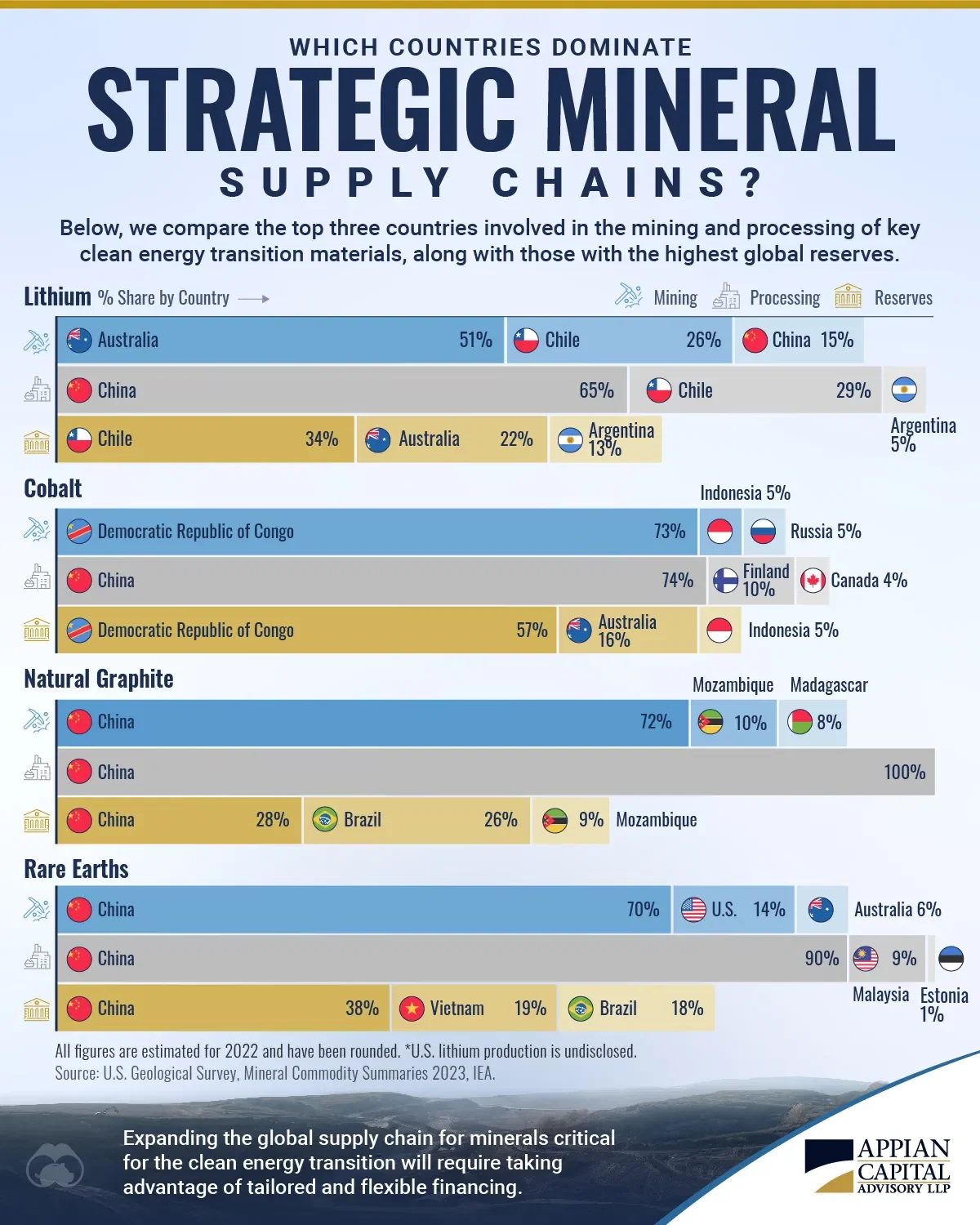
- 🟤 Cobalt
- 🟡 Gold
- ⚫ Oil & Gas
- 🔵 Lithium
- 🌱 Agricultural land / cash crops
B. Visual Layout
Center:
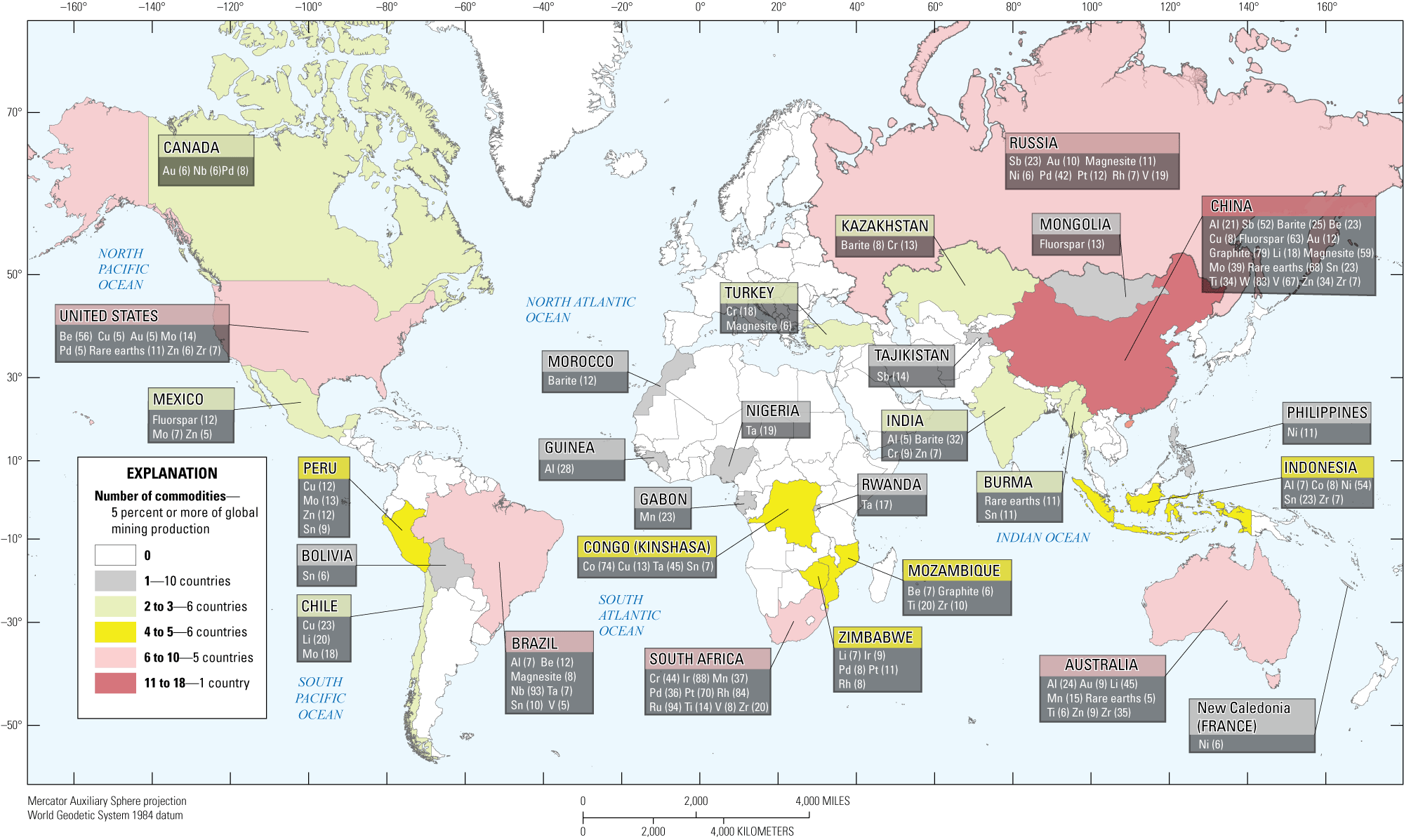
Resource Origin (African Region / Country)
→ clickable hotspot (e.g. DRC, Nigeria, Ghana)
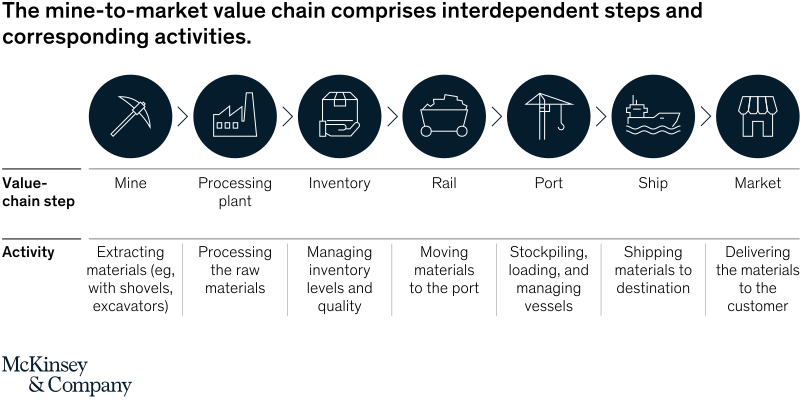
Ring 1 – Extraction
- Mining / drilling company
- Ownership structure
- License terms
Ring 2 – Trade & Transport
- Commodity traders
- Shipping & insurance
Ring 3 – Finance
- Banks & shareholders
- Dividend flows
- Debt exposure
Ring 4 – Offshore Capture
- Tax havens
- Transfer pricing routes
Ring 5 – End Use
- Tech firms
- Energy companies
- Consumer markets
C. On-Click Panels (
Each node opens a new card:
Example: “Cobalt → Battery Supply Chain”
- What it’s used for
- Who extracts it
- Where value is added
- Where profits land
- Local health & environmental cost
D. Persistent Side Panel: “What Would Change This?”
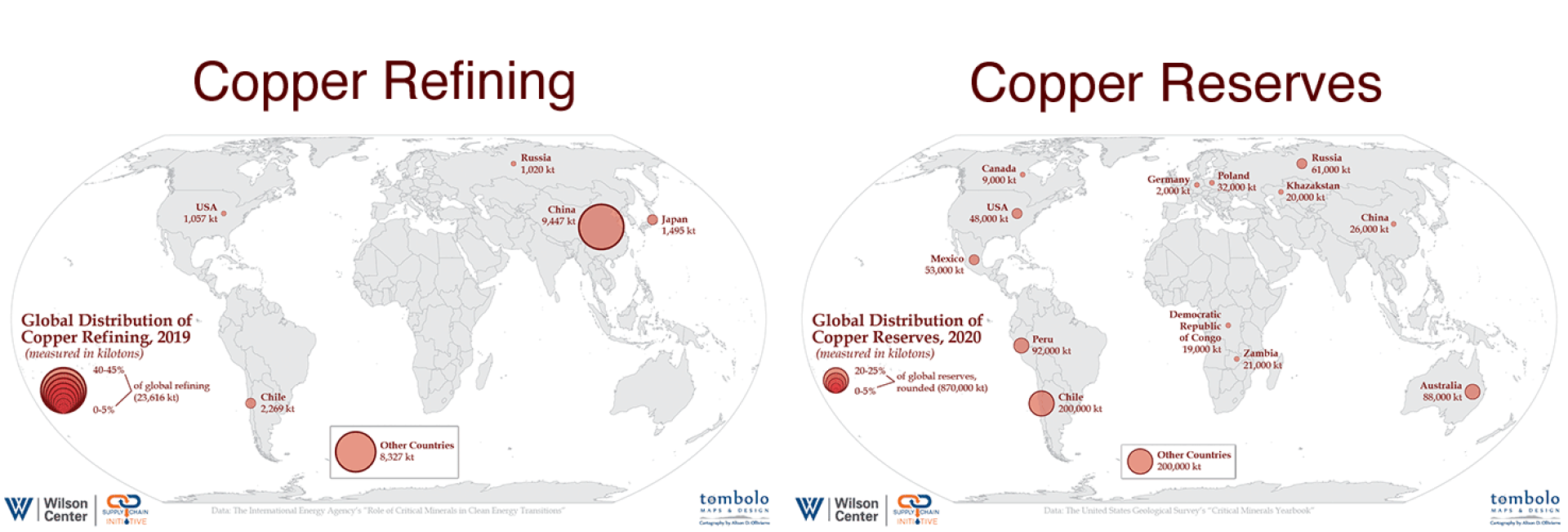
- Local refining / processing
- Royalty renegotiation
- Regional bargaining blocs
- Public equity stakes
- Health & environment as hard costs
E. Update Cadence
- Monthly: “Power Shift Update”
- Quarterly: “Where Value Capture Increased / Decreased”
- Always-on: Source links + methodology
Mobilized Signal
African Extraction: Where the Rules Are Starting to Bend
🔎 What’s Changing
For the first time in decades, some African states are renegotiating extraction terms — not rhetorically, but structurally.
🟢 Early Shifts to Watch
Local Value-Addition Mandates
Countries are requiring:
- In-country processing
- Local refining
- Technology transfer
Effect: More jobs, higher retained value, stronger tax base.
2) Resource Nationalism (Selective, Not Absolute)
States are:
- Taking minority equity stakes
- Renegotiating royalties
- Canceling non-performing licenses
➡️ Effect: Less leakage without full nationalization risk.
3) Regional Coordination
Some countries are:
- Aligning export rules
- Coordinating price floors
- Sharing negotiation leverage
➡️ Effect: Reduced “race to the bottom.”
4) Debt-for-Investment Swaps
Debt relief tied to:
- Health systems
- Energy access
- Infrastructure resilience
➡️ Effect: Development replaces austerity (when enforced properly).
⚠️ What Has Not Changed (Yet)
- Offshore tax avoidance remains dominant
- Commodity traders still control pricing
- Insurance & finance still favor extraction over regeneration
📌 Bottom Line
The extraction system isn’t collapsing.
But cracks are forming where coordination, value-addition, and public ownership increase.
Mobilized tracks those cracks — because that’s where change enters.