
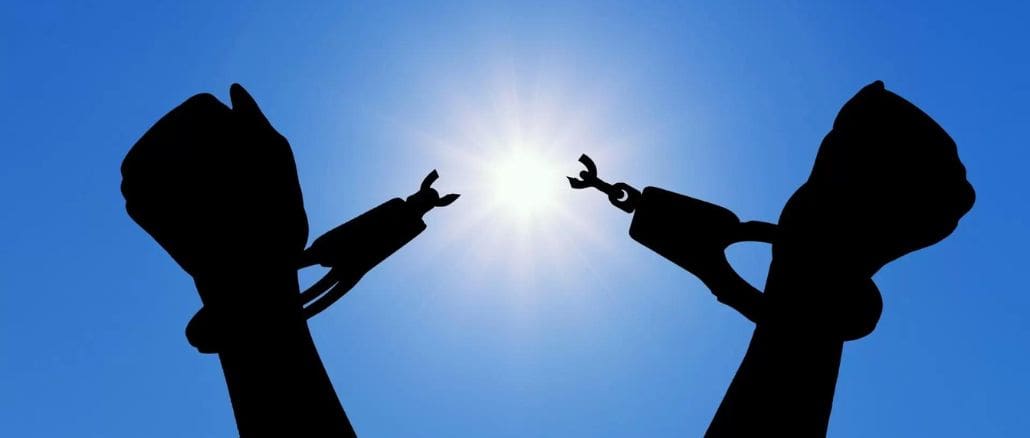
"The love and hopes of those who came before us reside in our hearts. The love and hopes of current and future generations resides in our actions."
30 RIGHTS. 8 Billion People. One Humanity
A Mobilized News + Human Rights Action Center global storytelling initiative
Thirty articles. Thirty human stories. One shared declaration of what it means to be human.
What does it mean to be human? If we are all born with human rights, why does less than 5% of the population know about The Universal Declaration of Human Rights?
- The Universal Declaration of Human Rights is one of the most important documents ever written.
- But most people have never read it.
- Fewer still could name its 30 articles.
Mobilized News and the Human Rights Action Center can change that — not by teaching people a document, but by helping them see themselves inside it.
THE VISION
- Imagine the Universal Declaration of Human Rights not as words on a page, but as 30 living stories.
For every article, Mobilized News and the Human Rights Action Center find a real person whose life reveals:
the right → the violation → the human consequence → the response → the possibility for change.
- Some stories would document injustice.
- Others would show what happens when a right is protected.
- And some of the most powerful stories would reveal people who refused to accept the status quo and built something better.
The project becomes:
30 Articles.
30 Human Stories.
30 Invitations to Act.
Not another campaign telling people what is wrong with the world.
A global media experience showing people:
- What does this right actually mean?
- What happens when it disappears?
- Who is protecting it?
- What can we do?
THE BIG IDEA
Don’t explain human rights. Make them human.
For example: Article 19 says people have the right to freedom of expression.
- That is important.
- But meet the journalist who risks imprisonment to report what is happening in her community.
- Suddenly Article 19 has a face.
Article 26 guarantees the right to education.
- Meet the child walking miles every morning to attend the only school available to her.
- Now Article 26 is no longer abstract.
Article 23 establishes the right to work and fair conditions.
- Meet the migrant worker organizing colleagues against wage theft.
- Now Article 23 has a voice.
The Declaration becomes unforgettable when the Articles become people.
THE STORY FORMULA
- Every story could follow the same simple structure.
THE RIGHT
ARTICLE 19 — FREEDOM OF EXPRESSION
- What does the article guarantee?
- Explain it in one sentence anyone can understand.
THE PERSON
- Meet the human being whose life reveals why this right matters.
THE MOMENT
- What happened?
- Where was the right protected, denied, threatened or reclaimed?
THE SYSTEM
What created the situation?
Look beyond the individual incident.
- Government?
- Poverty?
- Technology?
- Corporate power?
- System design?
- Discrimination?
- Conflict?
- Education?
- Media?
- Economic systems?
THE RESPONSE
Who is doing something about it?
Individuals.
- Communities.
- Journalists.
- Artists.
- Lawyers.
- Technologists.
- Social entrepreneurs.
- Human-rights defenders.
- Organizations.
THE POSSIBILITY
What would change if this right were actually protected?
WHAT CAN I DO?
End every story with something practical.
- Learn.
- Share.
- Display.
- Connect.
- Support.
- Participate.
- Act.
THE 30 STORIES
ARTICLE 1 — BORN FREE AND EQUAL
Born Equal. Living Unequal.
Follow two children born on the same day in radically different circumstances and explore how geography, wealth, discrimination and opportunity shape their lives.
The question: If we are born equal in dignity, why do our systems produce such unequal outcomes?
ARTICLE 2 — FREEDOM FROM DISCRIMINATION
No Exceptions
Tell the story of someone excluded from employment, housing, education or public life because of who they are.
Then meet people redesigning systems to remove those barriers.
ARTICLE 3 — LIFE, LIBERTY AND SECURITY
The Right to Come Home
A family living amid violence, political repression or armed conflict asks the simplest question imaginable:
Will everyone come home tonight?
Pair the human story with communities building safety without sacrificing freedom.
ARTICLE 4 — FREEDOM FROM SLAVERY
Slavery Didn’t End
Follow a survivor of trafficking, forced labor, debt bondage or modern slavery.
Show both the hidden supply chains that enable exploitation and efforts to eliminate it.
ARTICLE 5 — FREEDOM FROM TORTURE
What No Human Being Should Endure
A survivor tells what happens when governments or institutions abandon human dignity.
The story focuses not on graphic detail, but on accountability, rehabilitation and prevention.
ARTICLE 6 — RECOGNITION BEFORE THE LAW
The People Who Don’t Exist
Meet someone without recognized documentation, citizenship papers or legal identity.
No legal identity can mean no bank account, education, healthcare, employment or protection.
ARTICLE 7 — EQUALITY BEFORE THE LAW
Same Law. Different Justice.
Follow two people encountering the same legal system but receiving very different treatment.
Explore who receives protection — and who doesn’t.
ARTICLE 8 — THE RIGHT TO A REMEDY
When Justice Finally Answers
A person fights a government, corporation or institution after their rights are violated.
The story follows the long road from harm to accountability.
ARTICLE 9 — FREEDOM FROM ARBITRARY ARREST
Taken
- One ordinary day, someone disappears into detention without meaningful due process.
- Tell the family’s story as much as the prisoner’s.
ARTICLE 10 — THE RIGHT TO A FAIR HEARING
A Fair Chance
- Enter a courtroom where the fundamental question is not guilt or innocence.
- It is whether the system itself is fair.
ARTICLE 11 — INNOCENT UNTIL PROVEN GUILTY
Guilty Before Trial
- Follow someone publicly condemned before the facts were established.
- Explore courts, media, social media and the consequences of trial by public opinion.
ARTICLE 12 — THE RIGHT TO PRIVACY
Who Is Watching You?
- Follow an ordinary person’s digital footprint for one day.
- Phones.
- Cameras.
- Apps.
- Data brokers.
- Employers.
- Governments.
- Artificial intelligence.
How much privacy have we traded without realizing it?
ARTICLE 13 — FREEDOM OF MOVEMENT
The Freedom to Leave — and Return
- Follow someone separated from family, work or home because movement has been restricted.
- Explore borders, displacement and the fundamental meaning of home.
ARTICLE 14 — THE RIGHT TO SEEK ASYLUM
The Door
- Tell the journey of someone who had to decide:
- Stay and risk death — or leave everything behind.
- Then follow what happens at the border.
ARTICLE 15 — THE RIGHT TO A NATIONALITY
Citizen of Nowhere
- Meet someone who is stateless.
- Their story reveals how much of modern life depends upon belonging legally somewhere.
ARTICLE 16 — MARRIAGE AND FAMILY
The Right to Choose
Tell the story of someone whose choice of partner, marriage or family life is controlled by law, tradition, economic pressure or coercion.
ARTICLE 17 — THE RIGHT TO PROPERTY
This Was Our Home
A family loses land, housing or property through conflict, corruption, discrimination, development or displacement.
Then examine innovative models protecting community ownership.
ARTICLE 18 — FREEDOM OF THOUGHT, CONSCIENCE AND RELIGION
What You Believe Is Yours
- Follow people trying to practice — or leave — a faith without fear.
- Explore belief, conscience, identity and coexistence.
ARTICLE 19 — FREEDOM OF EXPRESSION
The Last Thing They Wanted Her to Say
- Follow a journalist, artist, whistleblower, filmmaker or citizen whose words threatened powerful interests.
- What happens when telling the truth becomes dangerous?
ARTICLE 20 — FREEDOM OF ASSEMBLY
Why We Gather
Enter a peaceful demonstration from the perspective of ordinary participants.
Why did they show up?
What happens when people lose the ability to organize together?
ARTICLE 21 — PARTICIPATION IN GOVERNMENT
Does My Voice Count?
- Follow a first-time voter, election worker, local organizer or citizen trying to participate meaningfully in democracy.
- Move beyond elections to ask:
- Who actually gets heard?
ARTICLE 22 — SOCIAL SECURITY
When Everything Falls Apart
- A worker suddenly loses employment, health, housing or income.
- What prevents one difficult moment from becoming a lifetime catastrophe?
ARTICLE 23 — THE RIGHT TO WORK
A Fair Day’s Work
Follow someone working full-time who still cannot support their family.
Then meet workers and employers building fairer economic models.
ARTICLE 24 — REST AND LEISURE
The Right Nobody Talks About
- Meet people working two or three jobs simply to survive.
- Explore why rest, time, family and life outside work were considered human rights in the first place.
ARTICLE 25 — AN ADEQUATE STANDARD OF LIVING
What Does It Take to Live?
- Follow one household budget for a month.
- Food.
- Housing.
- Healthcare.
- Utilities.
- Transportation.
- Childcare.
The story asks:
- What does human dignity actually cost?
ARTICLE 26 — EDUCATION
The School at the End of the Road
- Follow a student determined to learn despite distance, poverty, discrimination, conflict or lack of technology.
- Pair the story with education innovations expanding access.
ARTICLE 27 — CULTURE, SCIENCE AND CREATIVITY
Who Owns Human Creativity?
- Follow an artist, scientist, Indigenous community or inventor navigating access, ownership and the sharing of knowledge.
- Explore the balance between participation and protection.
ARTICLE 28 — A WORLD WHERE RIGHTS CAN EXIST
What Would a Human-Rights Society Look Like?
Instead of documenting one violation, visit a city or community intentionally designing its institutions around human dignity.
- Housing.
- Health.
- Energy.
- Education.
- Food.
- Mobility.
- Democracy.
- Media.
This becomes one of the project’s major systems-change stories.
ARTICLE 29 — OUR RESPONSIBILITIES TO EACH OTHER
Rights Come With Neighbors
- Follow a community responding collectively to a crisis.
- The deeper idea:
- Human rights protect individuals, but functioning societies depend upon responsibility to one another.
ARTICLE 30 — NO ONE CAN TAKE THESE RIGHTS AWAY
Not for Sale
- The finale.
- Thirty stories converge around one idea:
- No government, corporation, institution, ideology or individual owns your humanity.
- Human rights are not privileges granted by power.
- They belong to people.
THE STARTING PLAN
Do not begin by trying to produce all 30 stories.
Start with five pilot stories that immediately demonstrate the range of the project.
1. ARTICLE 1
Born Equal. Living Unequal.
Establishes the entire premise.
2. ARTICLE 19
The Last Thing They Wanted Her to Say
Connects directly to journalism, truth and freedom of expression.
3. ARTICLE 25
What Does It Take to Live?
Connects rights to food, housing, health, work and economic systems.
4. ARTICLE 26
The School at the End of the Road
Shows how a basic right can change an entire life’s trajectory.
5. ARTICLE 30
Not for Sale
Creates the campaign’s emotional and philosophical anchor.
MAKE EACH STORY MORE THAN A STORY
Each Article becomes its own small ecosystem.
WATCH
A short documentary or interview.
READ
A concise Mobilized feature.
UNDERSTAND
The actual Article in plain language.
SEE THE SYSTEM
Why the situation exists.
MEET THE PEOPLE
Organizations and individuals addressing it.
DISCOVER SOLUTIONS
Programs, innovations and policies that work.
ACT
Specific actions available to the audience.
SHARE
Tools enabling schools, organizations, media outlets and communities to republish or screen the story.
THE GLOBAL INVITATION
We invite you to tell the stories with us:
WHO IS THE STORY?
Ask:
Do you know someone whose life demonstrates one of the 30 Articles of the Universal Declaration of Human Rights?
- Nominate them.
- Journalists can submit stories.
- Filmmakers can submit films.
- Teachers can nominate students.
- Human-rights organizations can nominate defenders.
- Communities can nominate local leaders.
- People can nominate themselves.
- Suddenly this isn’t simply a media series.
It becomes a global search for the human beings behind human rights.
THE MOBILIZED ECOSYSTEM
This is where the concept becomes especially powerful.
THE WIRE
Where is a human right under pressure right now?
DAILY SIGNALS
What should people be watching today?
PRESSURE POINTS
Where are violations increasing?
THE UPGRADE
Where are rights and quality of life actually improving?
THE EXCHANGE
What problem needs a solution? Who has one?
THE NETWORK
Who is doing the work?
EVENTS + LIVESTREAMS
Where can people learn, meet and participate?
THE BIG PICTURE
How do all these rights connect to the systems determining how we live?
That means a story about Article 25 doesn’t end with someone lacking food.
It can connect:
food → health → employment → housing → energy → climate → finance → policy → human rights.
That is the systems story conventional human-rights reporting often misses.
THE BIG PICTURE
The 30 Articles look separate on paper.
In life, they aren’t.
- A child without education may have fewer employment opportunities.
- Without work comes economic insecurity.
- Economic insecurity affects food and housing.
- Poor housing affects health.
- Poor health reduces opportunity.
- Without information or political participation, changing those conditions becomes harder.
Human rights are a system.
And this could become the larger revelation of the entire project.
The Universal Declaration of Human Rights may be more than a declaration.
It may be one of humanity’s earliest whole-system designs for a society built around human dignity.
The opportunity:
- Not merely to commemorate the Declaration.
- Not merely to defend it.
- But to make it visible, understandable, human and actionable for a new generation.
THE CAMPAIGN LINE
30 RIGHTS. 30 LIVES. ONE HUMANITY.
The Universal Declaration of Human Rights — told through the people living it.
- See the right.
- Meet the person.
- Understand the system.
- Discover what’s working.
- Do something.
And over time, the ambition can become even bigger:
Put the 30 Articles where people can see them.
- In schools.
- Libraries.
- Workplaces.
- Newsrooms.
- Community centers.
- Public buildings.
- Digital platforms.
And ultimately:
Inside the world’s passports.
- Because before we are citizens of any nation,
- we are human.