
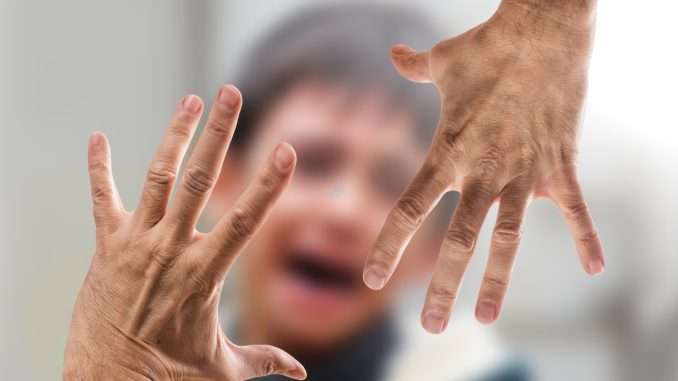
Human Rights Article Four: Freedom from Slavery
No one shall be held in slavery or servitude.
- Slavery is illegal almost everywhere in the world.
- But it has not disappeared.
- Today, slavery often takes different forms: forced labor, human trafficking, debt bondage, forced marriage, sexual exploitation and the exploitation of children.
- The chains may look different.
- The loss of freedom is the same.
What is happening?
Millions of people around the world are still trapped in situations where they cannot freely leave their work, relationships or living conditions.
- Some are trafficked across borders.
- Others are exploited close to home.
- Workers may have their passports taken away, wages withheld or debts used to keep them trapped.
- Children can be forced into labor, armed conflict, domestic work or sexual exploitation.
- Women and girls can be forced into marriages they did not choose.
- People may even buy everyday products without realizing that forced labor exists somewhere in the supply chain.
- Modern slavery is often hidden in plain sight.
Why is it happening?
- Modern slavery thrives where people have few choices and where others can profit from their vulnerability.
- Poverty, conflict, displacement, discrimination, weak labor protections, corruption and lack of economic opportunity can all increase the risk.
- Criminal networks exploit vulnerable people.
- Businesses can also contribute when supply chains are so complicated that companies do not know — or do not ask — how workers are being treated.
- People desperate for work may accept dangerous offers because they have no better option.
- The problem is not simply individual criminals.
- It is also about economic and social systems that make exploitation profitable and difficult to detect.
Who is affected?
Anyone can become a victim of exploitation, but some people face much greater risks.
- Migrant workers.
- Refugees and displaced people.
- Children.
- People living in extreme poverty.
- Domestic workers.
- Agricultural and factory workers.
- People recruited with false promises of jobs.
- Women and girls vulnerable to trafficking and forced marriage.
- Communities affected by war, disaster and economic collapse.
- And the impact does not end with the individual.
- Families are separated.
- Children lose their education.
- Communities lose income and opportunity.
- Exploitation becomes part of the economy.
Who is already creating solutions?
- People and organizations around the world are working to end modern slavery.
- Anti-trafficking organizations identify victims, provide safe housing and help survivors rebuild their lives.
- Labor organizations and worker groups fight for fair wages, safe workplaces and stronger protections.
- Human rights organizations investigate forced labor and pressure governments and companies to act.
- Law enforcement and legal advocates work to stop trafficking networks and prosecute those responsible.
- Responsible businesses are examining their supply chains and demanding better labor standards from suppliers.
- And survivors themselves are becoming powerful advocates, helping governments and communities understand how exploitation happens and how it can be prevented.
What can we do?
- Learn the signs. Understand how trafficking, forced labor and exploitation can appear in everyday communities.
- Ask where things come from. Support businesses that can demonstrate fair and transparent labor practices.
- Protect workers. Support strong labor rights, fair wages and the right of workers to organize.
- Support survivors. Help organizations providing housing, legal assistance, healthcare and economic opportunity.
- Demand transparency. Governments and companies should know what is happening throughout their supply chains.
- Reduce vulnerability. Strengthen education, economic opportunity, housing, healthcare and social protections.
- Listen to survivors. People who have experienced exploitation should help design the systems intended to prevent it.
The systems-change question
Instead of asking:
“How do we rescue people after they have been exploited?”
Ask:
“Why is exploitation profitable in the first place — and how do we redesign the systems that allow it?”
Ending slavery requires more than catching traffickers.
It means creating economies where workers have rights, communities have opportunities and businesses cannot profit from exploitation.
Article Four gives us a simple standard:
No human being should ever be owned, controlled or exploited by another.
Freedom is not something another person gives us.
It is a human right.