
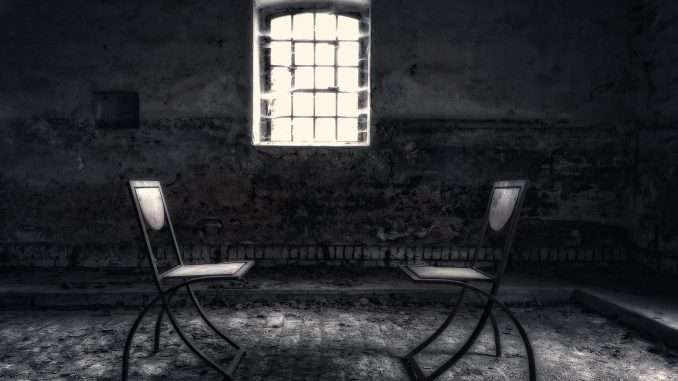
Human Rights Article Nine: Freedom from Arbitrary Arrest, Detention and Exile
No one should be arrested, imprisoned or forced from their country without a lawful reason and fair process.
- Freedom can be taken away very quickly.
- A person may be detained without being told why.
- Someone may disappear into a prison system without access to a lawyer or family.
- Others may be forced into exile because of their beliefs, political activity, journalism or identity.
- Article Nine protects people from governments using detention or exile as a tool of fear and control.
What is happening?
Around the world, people are still being arrested or detained without fair legal process.
- Political opponents may be jailed.
- Journalists and activists may be detained for criticizing authorities.
- Migrants and refugees can be held for long periods without clear review.
- People may be imprisoned under vague national security laws.
- In some places, families do not even know where a detained relative has been taken.
- Others are pressured or forced to leave their country because staying would place them in danger.
- When detention happens without transparency or accountability, people can effectively disappear inside the system.
Why is it happening?
- Arbitrary detention often grows where governments or institutions have too much unchecked power.
- Weak courts can fail to challenge unlawful arrests.
- Emergency laws may be used far beyond their original purpose.
- Police and security forces may operate without meaningful oversight.
- Political leaders may use detention to silence critics or intimidate opponents.
- People who are poor or marginalized may also lack access to lawyers who can challenge an unlawful arrest.
- Fear plays a powerful role.
- When people know they could be arrested simply for speaking out, many stop speaking.
- That can turn detention into a tool not only against one person, but against an entire society.
Who is affected?
Anyone can be detained unfairly, but some groups face greater risks.
- Journalists.
- Political activists.
- Human rights defenders.
- Protesters.
- Migrants and refugees.
- Members of minority communities.
- People accused of crimes who cannot afford legal representation.
- People living under authoritarian governments.
- And families are affected too.
- When someone disappears into detention, relatives may lose income, security and emotional support.
- Children can lose parents.
- Communities can become afraid to participate in public life.
Who is already creating solutions?
- People and organizations around the world are working to protect people from arbitrary detention.
- Human rights organizations document unlawful arrests and campaign for the release of detainees.
- Legal aid groups and public defenders challenge detention and help people gain access to courts.
- Journalists investigate hidden prisons, disappearances and abuses of power.
- Independent judges and courts can review whether detention is lawful.
- International human rights bodies investigate cases and pressure governments to follow legal standards.
- Families and community organizations also organize campaigns, provide support and keep attention focused on people who might otherwise be forgotten.
What can we do?
- Defend due process. Anyone arrested should be told why and given access to legal representation.
- Protect independent courts. Judges must be able to challenge unlawful government actions.
- Demand transparency. Governments should disclose who is being detained, where and under what legal authority.
- Support legal aid. No one should lose their freedom simply because they cannot afford a lawyer.
- Protect journalists and human rights defenders. Speaking out should never become a reason for imprisonment.
- Review detention systems. Prisons, migrant detention centers and security facilities should be independently monitored.
- Pay attention to individual cases. Public attention can make it harder for people to disappear into a system without accountability.
The systems-change question
Instead of asking:
“Was this arrest technically legal?”
Ask:
“Does the system protect people from having their freedom taken away unfairly?”
- Article Nine reminds us that governments need the power to enforce laws.
- But that power must have limits.
- Without transparency, independent courts and due process, detention can become a weapon.
Freedom should never depend on the wishes of whoever holds power.
No one should disappear into a prison, detention center or exile without a fair and lawful process.
Liberty requires accountability.