
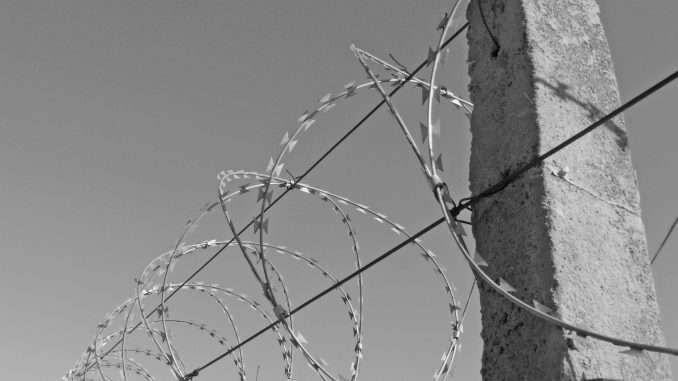
Human Rights Article Thirteen: Freedom of Movement
Everyone has the right to move freely within their country, to choose where they live, to leave any country, and to return to their own country.
- Freedom of movement is something many people take for granted.
- But for millions of people, borders, conflict, poverty, discrimination, displacement, detention or government restrictions can make movement dangerous or impossible.
What is happening?
- Around the world, people are being prevented from moving freely.
- Some are trapped by war or military occupation.
- Some are displaced from their homes by violence, disaster or climate pressures.
- Migrants and refugees may face closed borders, detention or dangerous journeys.
- Others may be restricted by governments because of political beliefs, ethnicity, religion or legal status.
- People may also lose the practical ability to move because transportation is too expensive, inaccessible or unsafe.
- Freedom of movement is not only about crossing borders.
- It is also about being able to live, work, learn, visit family and participate in society without unfair restrictions.
Why is it happening?
- Movement is often restricted when governments or institutions prioritize control over freedom.
- War and conflict can close roads and borders.
- Authoritarian governments may stop people from leaving or returning.
- Discrimination can limit where people are allowed to live or travel.
- Economic inequality can make transportation and relocation impossible.
- Immigration systems may become so complex or restrictive that people are left in long periods of uncertainty.
- And climate change is increasing displacement in places affected by floods, drought, extreme heat and rising seas.
- The deeper issue is not simply whether people are allowed to move.
- It is whether systems make movement safe, lawful and realistically possible.
Who is affected?
- People affected can include:
- Refugees and displaced families.
- Migrants.
- People living in conflict zones.
- People under military occupation.
- Political dissidents.
- Indigenous and border communities.
- People with disabilities who face inaccessible transportation.
- Low-income communities.
- People displaced by climate-related disasters.
- Families separated by borders or legal restrictions.
- When people lose freedom of movement, many other rights can become harder to exercise.
- Work.
- Education.
- Healthcare.
- Family life.
- Safety.
- Participation in community.
Who is already creating solutions?
People and organizations around the world are working to make movement safer and fairer.
- Humanitarian organizations help displaced families find shelter, transportation and protection.
- Refugee support groups help people navigate legal systems and rebuild their lives.
- Legal aid organizations defend the rights of migrants and people facing unlawful movement restrictions.
- Transportation planners and disability advocates work to make mobility systems more accessible.
- Community organizations help newcomers find housing, jobs, schools and healthcare.
- Governments and international organizations are also developing agreements and programs to improve migration, refugee protection and disaster response.
- And communities themselves often