
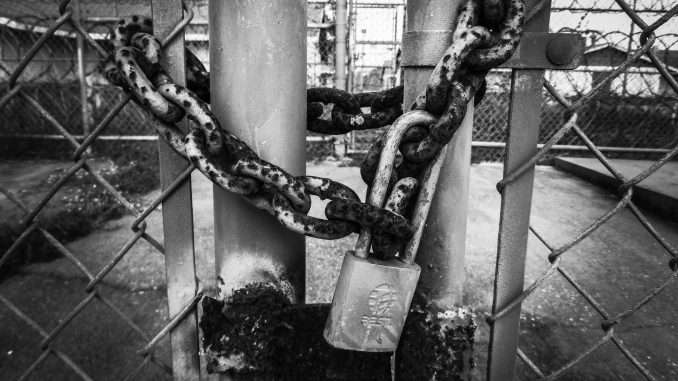
Human Rights Article Twelve: The Right to Privacy
Everyone has the right to privacy, family, home and correspondence — and to protection from unlawful attacks on their honor or reputation.
- Privacy is about more than keeping secrets.
- It is about having a protected space to live, communicate, think, organize and make personal choices without unnecessary interference.
- Today, that right is being tested in new ways.
What is happening?
- Our lives are increasingly connected to phones, computers, cameras, apps and digital platforms.
- Everyday activities can create enormous amounts of personal information.
- Where we go.
- What we buy.
- Who we communicate with.
- What we search for.
- What we believe.
- What we watch.
- Governments and companies can collect, store and analyze this information.
- People may also experience identity theft, hacking, stalking, doxxing or the unauthorized sharing of private information.
- Families can face unlawful searches or surveillance.
- Journalists, activists and political opponents may have their communications monitored.
- Technology has made communication easier than ever.
- It has also made surveillance easier than ever.
Why is it happening?
- Personal information has become extremely valuable.
- Businesses can use data to understand behavior, sell advertising and influence purchasing decisions.
- Governments may collect information for security, law enforcement or public administration.
- Technology makes it possible to gather enormous amounts of information quickly and cheaply.
- But laws and protections have not always kept pace.
- People may agree to complicated privacy policies without understanding what they are allowing.
- Companies may collect more information than they actually need.
- Governments may expand surveillance during emergencies and keep those powers afterward.
- The deeper issue is about power.
Who controls our personal information — and who gets to decide how it is used?
Who is affected?
- Almost everyone.
- Anyone who uses a smartphone, social media, email, online banking, digital healthcare or connected technology creates personal data.
- But some people face greater risks.
- Journalists.
- Human rights defenders.
- Political activists.
- Children and young people.
- Victims of domestic violence or stalking.
- Migrants and refugees.
- People living under authoritarian governments.
- Communities subjected to intensive surveillance.
- People whose personal information has been stolen or exposed.
- Loss of privacy can affect employment, relationships, safety, financial security and freedom of expression.
- People behave differently when they believe someone may always be watching.
Who is already creating solutions?
People and organizations around the world are working to strengthen privacy protections.
- Digital rights organizations defend privacy, encryption and freedom of expression.
- Consumer advocates push companies to be more transparent about how personal information is collected and used.
- Privacy regulators investigate misuse of personal data and enforce protections.
- Cybersecurity professionals develop safer ways to store and transmit information.
- Journalists and researchers expose surveillance practices and data abuses.
- Technology developers are creating privacy-focused tools that collect less data and give people more control.
- And governments in many places are strengthening laws that give people greater rights over their personal information.
What can we do?
- Know what you are sharing. Pay attention to what information apps, websites and services collect.
- Use strong security. Protect accounts with strong passwords, multi-factor authentication and updated software.
- Limit unnecessary data collection. Companies and governments should collect only what they genuinely need.
- Protect private communication. Strong encryption can help keep personal conversations secure.
- Demand transparency. People should know what information is being collected, why it is collected and who receives it.
- Protect children. Young people deserve especially strong safeguards around their personal information.
- Support strong privacy laws. People should have meaningful rights to access, correct and protect their data.
- Design technology differently. Privacy should be built into systems from the beginning rather than added after problems occur.
The systems-change question
Instead of asking:
“What information can we collect?”
Ask:
“What information do we actually need — and how do we protect the person it belongs to?”
- Article Twelve reminds us that privacy is not about hiding from society.
- It is about maintaining control over our own lives.
- A healthy society needs both openness and boundaries.
- Technology should serve people without turning every human activity into information to be collected, analyzed and sold.
- Our homes matter.
- Our conversations matter.
- Our personal information matters.
- And the right to decide what remains private should not disappear simply because technology makes surveillance possible.
Privacy is a human right.