

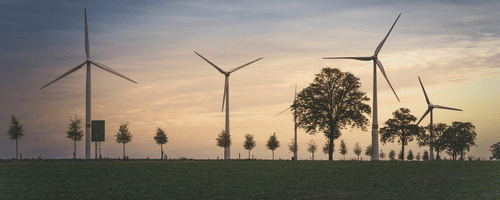
The strongest signal of the week: clean energy is no longer just replacing fossil fuels — it is becoming the operating system for electricity, transportation, industry, data centers, and national security.
The week’s biggest systems upgrade: renewables + storage + grid reform are now being treated as one integrated infrastructure challenge.
Today’s Pattern
Clean energy is moving from “more solar and wind” to a deeper redesign of the power system:
- Generation: Wind and solar keep scaling.
- Storage: Batteries are becoming grid infrastructure.
- Permitting: Governments are trying to accelerate approvals.
- Mobility: EV charging is merging with distributed solar.
- Markets: Renewable overproduction is forcing electricity systems to become more flexible.
- Security: Energy independence is increasingly tied to clean-energy deployment.
Top News Updates + Systems Upgrades
1. Wind and solar passed gas globally for the first time in April
What happened: Reuters reported that wind and solar together generated more electricity than gas globally in April 2026, based on analysis from Ember. That is a major global power-system milestone.
System upgrade: Renewable energy is moving from “alternative power” to mainstream power supply.
Why it matters: This is not only a climate story. It is a grid-design story. As wind and solar become primary power sources, electricity systems need more storage, flexible demand, transmission, forecasting, and smarter pricing.
Mobilized signal: The clean-energy transition has crossed from symbolic progress into operational reality.
2. U.S. battery storage hit a first-quarter record
What happened: U.S. energy storage developers installed 9.7 gigawatt-hours of capacity in Q1 2026, a 32% increase from the same period last year, according to a SEIA and Benchmark Mineral Intelligence report cited by Reuters. Utility-scale projects accounted for most of the additions.
System upgrade: Batteries are becoming core grid infrastructure, not optional backup.
Why it matters: Storage helps solve the central renewable-energy challenge: matching variable wind and solar generation with real-time electricity demand.
What changed: Storage is now being driven not only by climate goals but also by data centers, AI infrastructure, electricity-price volatility, and grid reliability.
3. Clean energy became tied to AI and data-center power demand
What happened: The same U.S. storage report linked the battery boom to growing electricity demand from data centers, unpredictable power prices, and gas-supply disruptions. Major tech firms, including Google and Meta, have committed to large-scale storage deals to support AI infrastructure.
System upgrade: The energy system is becoming the physical foundation of the digital economy.
Why it matters: AI cannot scale without electricity. The critical question is whether that power demand drives more fossil-fuel dependence — or accelerates storage-backed clean energy.
Mobilized frame: The digital future will be shaped by the energy system that powers it.
4. Britain moved to fast-track major clean-energy infrastructure
What happened: Britain’s Treasury said Chancellor Rachel Reeves planned reforms allowing Parliament to approve major energy and infrastructure projects, including power plants, wind farms, and grid connections, in order to reduce delays from judicial reviews.
System upgrade: Clean-energy deployment is becoming a governance and permitting challenge.
Why it matters: Renewable projects cannot lower bills or improve energy security if they remain stuck in planning, legal delays, or grid-connection queues.
The tension: Faster approval can accelerate needed infrastructure — but must still protect communities, ecosystems, and legitimate public oversight.
5. Solar-powered EV charging advanced in South Africa
What happened: South African company Zero Carbon Charge launched its first off-grid, solar-powered EV charging station on the Johannesburg–Durban N3 corridor. Reuters reported the company aims to install 60 off-grid charging stations nationwide by the end of 2027.
System upgrade: Transportation and energy are merging into distributed clean-mobility infrastructure.
Why it matters: In countries with unreliable grids, EV adoption cannot depend only on centralized electricity systems. Off-grid solar charging creates a pathway for cleaner transport without adding pressure to fragile grids.
Mobilized signal: The future of mobility is not just electric vehicles. It is energy-integrated transportation.
6. Europe’s solar boom exposed the next grid challenge
What happened: Reuters reported earlier in May that Europe’s rapid solar expansion is reshaping electricity prices and power-market behavior, with solar generation increasingly creating new operational challenges for the grid.
System upgrade needed: Power systems must become flexible, responsive, and storage-rich.
Why it matters: Cheap solar power is good news. But too much solar at the wrong time can create curtailment, negative prices, and market stress unless grids can store, shift, or share electricity.
Mobilized frame: The next phase is not only building renewables. It is redesigning the whole electricity system around abundance.
7. Vehicle-to-grid moved further into the global energy conversation
What happened: The International Energy Agency listed a new Vehicle-to-grid technology report dated May 20, 2026. The IEA has also emphasized that scaling energy storage is critical for managing wind and solar variability on the grid.
System upgrade: Electric vehicles are becoming potential mobile energy assets.
Why it matters: Millions of EV batteries could eventually help balance grids by charging when renewable power is abundant and feeding power back when demand is high.
What to watch: Standards, utility rules, charger compatibility, battery warranties, and consumer compensation models.
8. Permitting and interconnection remained the bottleneck
What happened: Reuters reported that U.S. storage growth remains strong, but solar and storage projects face risks from tariffs and federal approval delays. The report warned that permitting issues could delay or cancel hundreds of projects.
System upgrade needed: Clean energy needs a faster interconnection and permitting operating system.
Why it matters: A clean-energy project is not real infrastructure until it connects to the grid. Transmission, permitting, equipment supply chains, and utility interconnection rules are now decisive.
Mobilized signal: The clean-energy race is becoming less about invention and more about implementation.
The Big Picture
The old energy system was centralized, fuel-based, and one-directional.
The emerging system is:
- Distributed: homes, businesses, vehicles, communities, and regions can generate power.
- Renewable: solar and wind are becoming major sources of electricity.
- Storage-backed: batteries are turning variable power into reliable power.
- Digitally managed: software, forecasting, AI, and smart grids are becoming essential.
- Mobility-linked: EVs are becoming part of the energy system.
- Governance-dependent: permitting, interconnection, procurement, and regulation now decide deployment speed.
Why It Matters
Clean energy is no longer a single-sector issue.
It connects directly to:
- Affordability: cheaper electricity depends on deployment speed and grid flexibility.
- Security: local renewables reduce exposure to volatile fuel markets.
- Jobs: manufacturing, installation, grid work, and maintenance become growth sectors.
- Climate: fossil-fuel displacement accelerates when renewables are backed by storage.
- Digital infrastructure: AI and data centers require huge amounts of reliable electricity.
- Community resilience: distributed solar and storage can keep essential services running during outages.
What you can do where you are, now:
For communities
Create local energy resilience plans: rooftop solar, community solar, battery storage, microgrids, public-building energy audits, and emergency-power hubs.
For businesses
Treat clean energy as an operating strategy. Lock in power-purchase agreements, add storage where possible, reduce peak demand, and plan for grid volatility.
For cities
Use public buildings, schools, parking lots, transit hubs, and water facilities as clean-energy anchors.
For policymakers
Modernize permitting, upgrade interconnection rules, invest in transmission, protect community input, and support storage-backed renewables.
For utilities
Move from one-way power delivery to flexible grid orchestration: storage, demand response, distributed energy resources, EV charging, and real-time grid intelligence.
What To Watch Next
- Storage growth: Can battery deployment keep up with renewables and data-center demand?
- Grid reform: Will interconnection queues shrink or keep delaying projects?
- EV charging: Will off-grid and solar-powered charging expand in regions with weak grids?
- Permitting reform: Can governments accelerate projects without weakening democratic oversight?
- Market design: Will electricity markets adapt to solar abundance and flexible demand?
Mobilized Signal
Clean energy is not just a replacement for fossil fuels.
It is the foundation for a new system: local, distributed, intelligent, resilient, and capable of powering the next economy.