
Design for Life.
The opening stage of Ideas into Action, Mobilized News’s ongoing work to improve quality of life through better systems design.
Good needs better distribution.
Communities are restoring ecosystems, protecting human rights and improving public health. When media makers share what those communities learned, people elsewhere can decide what to try and what to adapt.
Every story, presentation, signal and part of the Mobilized News experience serves the same purpose. We ask how the systems we rely on can work better together and improve daily life.
See where systems break down and what can change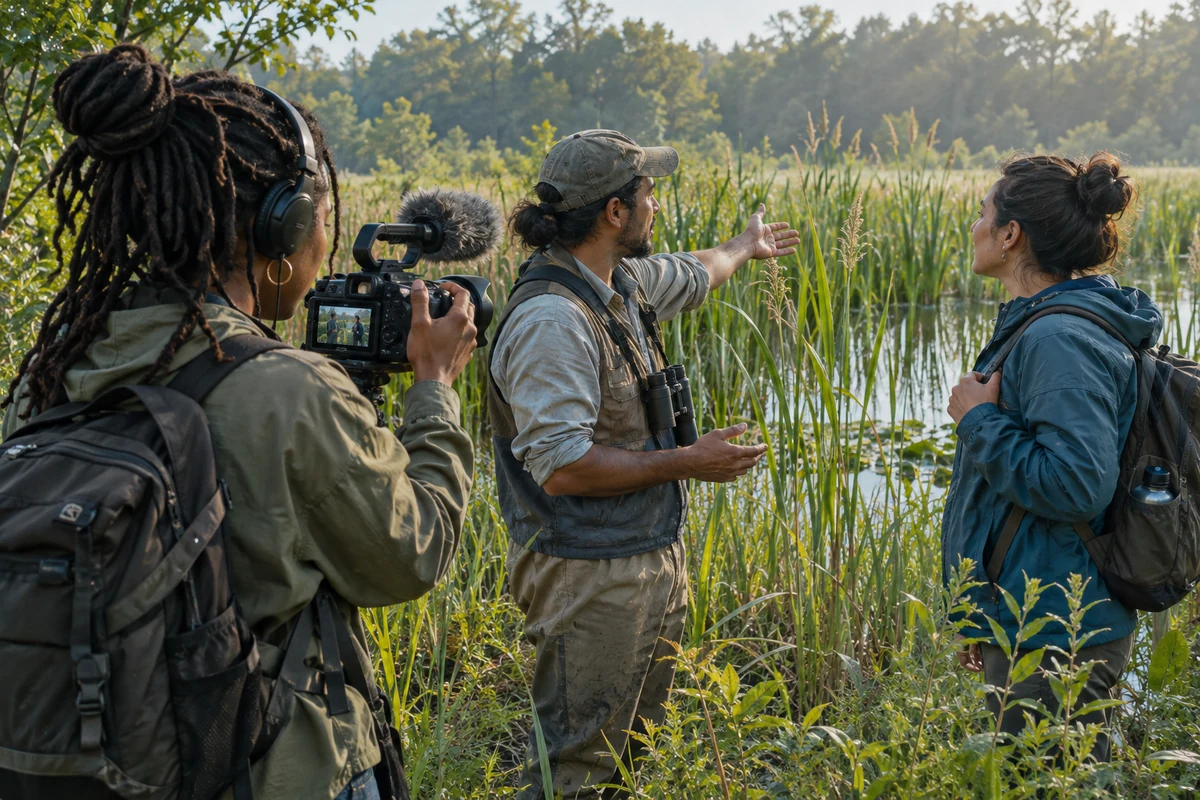
The Design for Life program
What can we build together?
Explore whole-system design through field stories, conversations and demonstrations. Each example asks what changed, who benefited and what another community would need to make it work.
Explore the proposed opening programWhole-system design
Look at how food, housing, energy, transport and local decisions shape one another. Follow who benefits, who bears the cost and where a change could help across several systems.
Sample working session Map how a neighborhood repair hub could reduce waste, build skills and keep everyday goods affordable.
Ecological solutions
Meet people restoring watersheds, growing food in ways that rebuild soils and organizing community-owned clean energy. Explore what their work requires and what could travel to another place.
Sample field story Follow a community restoring a wetland and ask how residents measure flood protection, wildlife recovery and long-term upkeep.
Health & human rights
Connect health to housing, safe water, food, mobility and the right to take part in decisions. Hear from people whose experiences reveal where these systems break down and what could improve them.
Sample conversation Bring residents, health workers and city planners together to design a neighborhood heat response people can actually reach.
Proposed opening program
Who gets to stay cool?
Start with extreme heat. It shows how housing, energy, public health, workers’ rights and tree cover interact. The proposed opening presentation follows a story from local reporting to practical action.
See the whole system
Start with a short film. Follow a tenant whose apartment stays hot overnight and an outdoor worker who needs shade, water and paid breaks.
Follow the evidence
Compare tree cover, indoor temperatures and access to cooling. Ask residents and local officials what changed, what it cost and who still needs protection.
Put the story to work
Share the interviews, findings and open questions. A partner newsroom can adapt the reporting and ask how its own city protects people from heat.
Explore the ten systems
Choose a system to see where it breaks down, what a better design could look like and how to start making it happen. Follow the links between systems to see what else needs to change.
Circularity & Whole-System Design
Where it breaks down
Products designed for quick replacement make repair hard and keep demand for new materials high. Disposal shifts the burden to communities and ecosystems that may never have benefited from what was sold.
What better looks like
Design goods to last, with replaceable parts, repair instructions and take-back or reuse routes. Public buyers can reward durability and repairability when they buy equipment.
How to get started
Ask a school or library to pilot a repair program for one type of equipment. Track how many items return to use and what repair costs per item.
Personal & Digital Democracy
Where it breaks down
A public hearing held after a proposal is effectively settled gives residents little influence. An online-only process can further exclude people who lack reliable internet or need another way to participate.
What better looks like
Give residents a defined decision to shape. A representative citizens’ assembly or a participatory budget can combine accessible online and in-person participation with a public record of how officials respond.
How to get started
Pick one upcoming local spending decision. Ask officials what residents can influence, how they can take part and when officials will publish their response.
Clean & Renewable Energy
Where it breaks down
New renewable projects can stall when the grid lacks capacity. Renters and households without suitable roofs can also miss out on programs built around individual rooftop installations.
What better looks like
Pair clean generation with grid upgrades, efficiency and storage where it helps. Community solar can extend access to households without suitable roofs when pricing and terms deliver real savings.
How to get started
Ask your utility or energy cooperative about one community solar option. Compare the projected bill savings, cancellation terms and renter eligibility before recommending it.
Food Production & Distribution
Where it breaks down
Edible food can go to waste while people nearby struggle to buy fresh food. Ordering, storage, transport and affordability each shape whether food reaches the people who need it.
What better looks like
Connect soil-building production to reliable buyers and accessible markets. Schools, growers and distributors can coordinate purchasing and storage, prevent avoidable surplus and redirect usable food.
How to get started
Pick one food item at a school or market. Ask workers, growers and customers where edible food is lost. Test one change to ordering or storage and measure the result.
ICT & Cybersecurity
Where it breaks down
When essential services move online, people without affordable internet, usable devices or digital support can lose access. A service outage or compromised account can also block people from getting help.
What better looks like
Keep services accessible on low-bandwidth devices and through an assisted or offline route. Build in privacy, secure sign-in and tested recovery so a disruption does less harm.
How to get started
With a library or service provider, test one public service on a low-cost phone and through its offline route. Ask staff who owns incident response and when they last tested recovery.
Public & Planetary Health
Where it breaks down
Clinics treat illness while housing, food, working conditions and environmental exposures continue to shape who gets sick. People may struggle to get support when those services operate separately.
What better looks like
Plan prevention and care together. Health providers, residents and agencies can coordinate around a local risk such as extreme heat, with clear responsibility for housing fixes, outreach and follow-up.
How to get started
Ask a clinic and a community partner to map one referral, such as help with cooling a home. Identify where people stop getting help, then track completed referrals after one change.
Smarter Cities & Communities
Where it breaks down
Street, housing and infrastructure decisions can be made in separate departments. Heat and flood risk build across blocks when those decisions overlook tree cover, paved surfaces or which households are exposed.
What better looks like
Coordinate housing, streets and water management. Philadelphia’s Green City, Clean Waters program uses green infrastructure alongside conventional upgrades to reduce combined sewer overflows.
How to get started
Walk one flood-prone route with residents and maintenance staff. Map where runoff starts and where it collects, then ask the city to test one upstream measure and name who will maintain it.
Mobility & Transportation
Where it breaks down
A route can move traffic faster while people without cars still struggle to reach jobs, clinics or shops. Service hours, transfers, fares and sidewalk access can decide whether a trip is possible.
What better looks like
Plan for the places people need to reach. Coordinate frequent transit with safe walking routes, accessible stops, affordable fares and services located near the people who use them.
How to get started
Time one trip to a clinic or job site at the hour people need to travel. Note cost, transfers and barriers, then bring those findings to the transit agency with one proposed fix.
Ethical Finance
Where it breaks down
Small enterprises and community projects can have trouble getting credit if they lack collateral or a track record that conventional lenders recognize. That can keep useful local services from getting built.
What better looks like
Combine mission-oriented lending with technical assistance and publish who gains access, what financing costs and how benefits are distributed. In the U.S., community development financial institutions offer one model.
How to get started
Price one community project with a local or mission-oriented lender. Ask about fees, collateral, assistance and repayment before deciding whether the terms fit.
Media & Storytelling
Where it breaks down
People who find news overwhelming or irrelevant may tune out. A stream of crisis headlines can leave audiences with little information about who is responding, what changed and where they can take part.
What better looks like
Build reporting around community questions. Examine a response, show the evidence and limits, and make useful reporting available to partner outlets with clear permissions and an accessible format.
How to get started
Ask a local newsroom and a community group to choose one question together. Publish the findings, share them through a second outlet and invite residents to flag what still needs reporting.
The Mobilized News Network
Ideas into Action
After the opening presentation, the work continues across the network. A signal can point to an emerging problem, a story can investigate a response, and a public conversation or Exchange listing can bring people together to act on it.
Take part in Ideas into Action
What can you bring?
Tell us what you’re working on, what you’ve learned or who you’d like to meet.