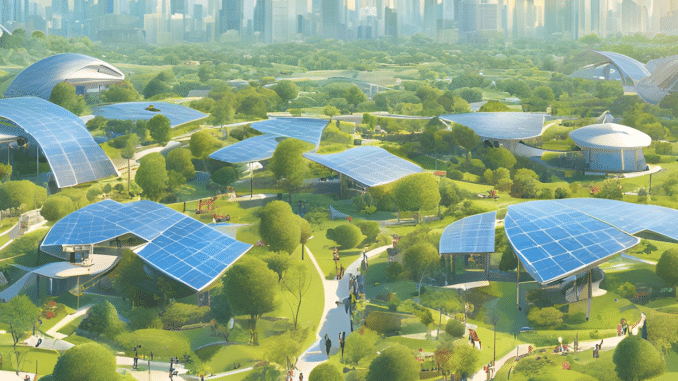
Public green space can provide room for a river to expand when heavy rain arrives.
Why does this matter? Rainwater needs somewhere to go. In a tightly built neighborhood, decisions about parks, waterways and drainage are connected—even when separate agencies manage them.
What changes? At Singapore’s Bishan–Ang Mo Kio Park, a naturalized river and adjacent parkland work together. During storms, designated park space becomes part of the channel carrying water downstream.
Who is working on this now? Singapore’s national water agency, PUB, and its National Parks Board collaborated on the project. They combined planting, natural materials and engineering techniques to reshape a concrete canal.
What are the results and consequences? PUB reports that the redesigned river has attracted wildlife and describes its functioning floodplain design. The project shows how recreation, habitat and water management can share space. Its public overview does not quantify avoided flood damage, and the approach must be engineered for each location.
What you can do where you are now. Ask your parks and stormwater departments to assess whether a local public space could safely accommodate runoff or river overflow. Request a catchment-wide assessment, accessible everyday routes, clear storm procedures and a funded maintenance plan. Start with how water actually moves through the neighborhood.
Editorial sources: