
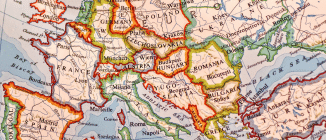
Europe

The opportunity is not simply to prepare Europe for the next emergency. It is to redesign the dependencies so that one disruption cannot disable several essential systems at once.

Mobilized Europe Daily Signals

European Union · United Kingdom · Ukraine · Wider Europe

Coverage: August 22, 2026 through publication morning, August 23, 2026
Published: August 23, 2026


Europe’s biggest systems signal today: water is becoming an energy and transportation constraint

Europe’s drought is no longer simply a climate or environmental story.

On the Danube, historically low water levels are simultaneously affecting nuclear-power cooling, hydroelectric production and freight navigation. Romania approved emergency engineering measures Saturday to increase water reaching the Cernavoda nuclear plant, which remains shut because Danube levels are too low to reliably support cooling. The measures include dredging, redirecting river flow, releasing water from reservoirs and preparing high-capacity pumps.

Farther upstream, Danube navigation remains constrained. At Ruse, Bulgaria, the river fell another centimeter Saturday to 126 cm below reference zero. Draft restrictions remained in force, and a vessel that grounded near Batin on Friday had to be freed with assistance from another vessel.

The same pattern persists on the Rhine. Low water continues to limit navigation and has forced cancellations of commercial passenger services; the deeper industrial problem remains reduced vessel loading and higher freight costs.

This reveals the underlying European dependency:

climate → water → electricity + freight

and then:

electricity + freight → industry + food + households

Other strong signals:

  • Romania escalated its response to the Danube crisis. Emergency engineering is now being used to protect nuclear cooling and electricity capacity.
  • Serbia activated European wildfire-response capacity. The EU sent four helicopters plus ground teams as major fires continued, demonstrating the value of shared emergency capability when national resources become stretched.
  • Spain showed an important recovery signal. The Segorbe/Sierra Calderona wildfire was declared stabilized Sunday after burning more than 630 hectares; roughly 1,000 evacuated residents of Gátova began returning home, although they were told to remain indoors and avoid tap water pending tests.
  • Europe’s summer heat burden is becoming measurable. Newly published provisional estimates indicate more than 32,000 excess deaths between mid-July and mid-August across countries participating in EuroMOMO. These are retrospective estimates, not deaths that occurred yesterday.
  • Ukraine and Russia are increasingly targeting economic infrastructure. Russian attacks damaged Ukrainian railway and other economic infrastructure Saturday, while Ukrainian drones hit a Russian refinery, industrial facilities and logistics infrastructure.
  • Europe’s winter gas buffer remains unusually thin. EU gas storage was around 62% full as of August 20, versus 74% a year earlier. The European Commission says there is no immediate supply emergency, but low inventories increase exposure to winter prices and LNG competition.
  • There is also a resilience signal: new analysis using ENTSO-E data shows Europe’s expanded solar fleet has substantially offset this summer’s unusually weak hydroelectric generation. The limitation is geographic: solar surpluses do not necessarily occur where hydrological deficits are worst, making grids and interconnectors increasingly important.

Core Signal

Europe’s resilience increasingly depends on whether electricity, transport and essential services can operate when the natural system beneath them—especially water—loses capacity.


Pressure Map — Top 5

1. Drought → rivers → electricity + freight

Direction:
Level: High

Danube water levels are affecting nuclear cooling and navigation while Rhine constraints continue.

2. Ukraine war → economic + logistics infrastructure

Direction:
Level: High

Rail, ports, fuel, logistics and industrial infrastructure are increasingly part of the conflict.

3. Gas storage + winter energy affordability

Direction:
Level: Elevated

Supply is currently functioning, but Europe enters late summer with a smaller winter buffer.

4. Wildfires + emergency-response capacity

Direction:
Level: Elevated

Serbia still requires multinational assistance while Spain is beginning to recover.

5. Heat → public health + workforce

Direction:
Level: Elevated

New mortality estimates reveal the accumulated human cost of Europe’s extreme summer.

Overall European operating picture: Elevated, with High localized pressure along the Danube and Ukraine-facing infrastructure systems.


What Changed in the Last 24 Hours

1. Romania moves from monitoring the Danube to engineering it

Status: NEW SIGNAL

What changed

Romania’s National Committee for Emergency Situations approved new measures Saturday to increase water availability around the Cernavoda nuclear power plant.

The facility remains shut because historically low Danube levels have compromised its cooling-water supply.

The response includes:

  • emergency dredging near the plant;
  • construction of a structure to redirect additional water toward the cooling intake;
  • releases from reservoirs on the Olt River for five days;
  • deployment readiness for high-capacity pumps.

Systems affected

water · nuclear power · hydroelectricity · grid capacity · industry · households

Why it matters

This is one of Europe’s clearest demonstrations that energy infrastructure cannot be separated from environmental infrastructure.

drought → river flow → cooling water → nuclear generation → grid capacity

The backup response also consumes another scarce resource:

reservoir water → Danube support + hydropower

Watch the threshold

Improvement: Danube flows rise enough to permit safe restart of generating capacity.

Warning: Emergency water releases and engineering measures fail to provide adequate cooling-water margins.


2. Danube navigation remains below normal operating capability

Status: CONTINUING PRESSURE — NEW MEASUREMENT

What changed

At Ruse, Bulgaria, the Danube fell another centimeter Saturday to 126 cm below reference zero.

The Bulgarian river authority reported that draft restrictions remain in place along the entire Bulgarian section.

A vessel also grounded near Batin Friday before another vessel helped free it.

Systems affected

shipping · agriculture · fuel · bulk commodities · industry · ports

Why it matters

Low water reduces usable vessel draft.

That creates a direct chain:

water depth → cargo per vessel → vessels required → freight cost + delivery time

At the same time, the river is being asked to provide nuclear cooling and hydroelectric support.

The same water therefore supports several supposedly separate systems.

Watch the threshold

Improvement: Sustained water-level recovery sufficient to relax draft restrictions.

Warning: Additional groundings, cargo restrictions or suspension of commercial navigation.


3. Rhine low water continues to remove transportation capacity

Status: CONTINUING PRESSURE

What changed

Commercial services remained disrupted through the weekend because of low Rhine water.

The larger freight constraint predates this reporting window but remains operationally important: unusually low Rhine levels have forced cargo vessels to sail partly loaded and pushed some freight toward rail and road.

Systems affected

freight · chemicals · fuel · manufacturing · road · rail · tourism

Why it matters

The question is not simply whether vessels can still move.

It is:

How much cargo can each vessel actually carry?

A river can remain technically open while its economic capacity falls sharply.

Watch the threshold

Watch the Kaub gauge, vessel-loading restrictions and freight surcharges.

Improvement: Sustained rainfall raises navigable depth and allows heavier cargo loading.

Warning: Additional sailings stop or industrial shippers move larger volumes onto already constrained road and rail systems.


4. Serbia draws on shared European wildfire capacity

Status: NEW SIGNAL

What changed

Serbia activated the EU Civil Protection Mechanism as severe wildfires continued.

The EU response included four helicopters from Romania, Slovakia and Czechia, together with 124 firefighters and 39 vehicles from Germany and Romania. Romanian and Slovak helicopters began operating Saturday, with additional support following.

Fire conditions improved in some areas Saturday, although strong winds remained a concern.

Systems affected

forests · emergency services · air quality · communities · water · electricity infrastructure

Why it matters

This is both a pressure signal and a capability signal.

No country needs to own enough aircraft and firefighters to handle every conceivable extreme event independently if neighboring systems can rapidly share capacity.

The resilience chain becomes:

local overload → regional request → shared equipment + personnel → expanded response capacity

Watch the threshold

Improvement: Fires remain inside containment lines and international assets begin demobilizing.

Warning: Strong winds produce new large fire fronts or threaten communities and infrastructure.


5. Spain’s Segorbe wildfire shifts from emergency toward recovery

Status: EASING PRESSURE

What changed

The wildfire affecting Segorbe and the Sierra Calderona was declared stabilized Sunday morning.

More than 630 hectares were affected.

Approximately 1,000 residents of Gátova, evacuated for two nights, began returning home. Emergency level 2 was reduced to level 1 and Spain’s UME began withdrawing some personnel.

But the systems story is not finished.

Residents were told to remain largely indoors and not drink tap water pending testing, because the fire affected the area around the spring and well supplying the town.

Systems affected

forest · housing · roads · water · public health · emergency services

Why it matters

The fire itself may be stabilizing while secondary infrastructure risk remains.

wildfire → watershed/intake → water quality → household access

This is why disaster recovery should measure essential-service restoration—not simply whether flames are extinguished.

Watch the threshold

Improvement: Water testing confirms safe supply and roads reopen normally.

Warning: Hotspots reignite or tests identify contamination requiring extended alternative-water provision.


6. Europe receives a clearer measure of summer heat mortality

Status: NEW EVIDENCE OF CONTINUING PRESSURE

What changed

Provisional EuroMOMO estimates released into the public record indicate more than 32,000 excess deaths between mid-July and mid-August.

An AFP compilation of national estimates found roughly 33,000 excess or heat-linked deaths across eight countries.

These figures remain preliminary and will be revised. They describe mortality accumulated over the summer—they are not 32,000 deaths occurring in the last 24 hours.

Systems affected

public health · hospitals · elder care · workforce · housing · electricity

Why it matters

Heat becomes a systems problem when:

temperature → housing conditions + cooling access → health → emergency services + workforce capacity

Older people remain particularly exposed.

Watch the threshold

Future assessments should focus not only on temperature but on:

  • nighttime cooling;
  • hospital demand;
  • electricity reliability;
  • housing conditions;
  • access to cooling;
  • public-health outreach.

7. Ukraine war continues expanding into logistics and economic infrastructure

Status: NEW SIGNAL

What changed

Russian drone and missile attacks overnight into Saturday damaged infrastructure across Ukraine, including a railway station in the Odesa region.

At the same time, Ukrainian drones struck targets inside Russia, including an industrial facility, the Novokuibyshevsk refinery according to Ukraine, and an Ozon logistics center whose operations were halted following the strike.

Russian President Vladimir Putin also publicly threatened retaliation against Ukrainian economic sectors as attacks against economic infrastructure intensify.

Systems affected

rail · ports · fuel · warehouses · manufacturing · trade · food exports

Why it matters

The relevant European systems chain is increasingly:

war → fuel + rail + warehouses + ports → logistics → industry + food

Damage need not destroy an entire network to matter.

Repeated attacks can gradually reduce capacity, increase insurance and transport costs and require additional redundancy.

Watch the threshold

Watch for:

  • Ukrainian rail-service interruptions;
  • Black Sea or Danube port disruptions;
  • refinery outages;
  • fuel shortages;
  • attacks on electricity infrastructure;
  • cross-border logistics effects.

8. Europe’s gas system is functioning—but its winter margin is thinner

Status: CONTINUING PRESSURE

What changed

There is no new gas-supply emergency today.

But Europe remains unusually exposed.

EU storage was about 62% full on August 20, versus approximately 74% at the same point last year.

The European Commission said there was no immediate cause for alarm.

Markets nevertheless remain concerned about the combination of thin storage, expensive energy and geopolitical disruption. European gas prices were around €65/MWh.

Systems affected

electricity · heating · chemicals · manufacturing · households · inflation

Why it matters

This distinction matters:

gas available today

is not the same as:

adequate affordable gas margin for winter

The vulnerability becomes greater if a cold winter coincides with constrained LNG supply or additional geopolitical disruption.

Watch the threshold

Improvement: Storage injections accelerate while prices fall.

Warning: Storage growth stalls, LNG competition intensifies or prolonged supply disruption prevents replenishment.


9. Solar capacity is cushioning Europe’s hydropower drought

Status: CAPABILITY SIGNAL

What changed

An analysis published Saturday using ENTSO-E data found that hydro generation across ten consistently reporting European systems between June 1 and August 15 was 31.65 TWh—the lowest of the seven summers examined.

But solar generation in those systems reached 84.44 TWh, compared with 45.27 TWh during the drought summer of 2022.

Combined solar and hydro production therefore exceeded the 2022 total despite the hydrological deficit.

Systems affected

electricity · hydro · solar · storage · interconnectors

Why it matters

This is what system diversification looks like.

less water → less hydro

but:

more solar → lower midday demand for stored hydro → water conserved for later hours

There is an important limitation.

Solar growth has not occurred evenly in the same places suffering the deepest water deficits.

That means resilience increasingly depends on:

generation diversity + storage + transmission + cross-border interconnection

—not generation alone.

Watch the threshold

Watch evening electricity supply, storage operation and cross-border flows as hydrological pressure persists.


Why It Matters — Business

Today’s operating question for European businesses is:

What physical dependency sits underneath both our normal operation and our backup plan?

A factory may have two freight providers that both rely on the Rhine.

Two electricity suppliers may rely on generating stations constrained by the same river.

Two cloud systems may use different software while depending on the same substation.

Two commodity suppliers may ultimately move goods through the same rail corridor or Black Sea port.

Priorities

  • Map water dependency alongside energy dependency.
  • Identify suppliers dependent on Rhine or Danube navigation.
  • Test road and rail alternatives before river freight disappears.
  • Review winter gas exposure before cold weather arrives.
  • Separate critical operational networks from ordinary IT.
  • Map logistics exposure to Ukrainian and Black Sea infrastructure.
  • Treat heat adaptation as workforce continuity planning.

Why It Matters — Communities

Today’s clearest community pathways are:

heat → health

wildfire → evacuation + water quality

drought → electricity

drought → freight → goods + prices

gas → heating affordability

war → infrastructure → transport + energy

Resilience should therefore be measured by whether essential systems remain:

available · affordable · accessible · understandable · trusted


Europe Snapshot

Western Europe

Core signal: Rhine constraints and thin gas inventories show that Europe can have adequate infrastructure on paper while losing usable operating capacity.

Direction:Elevated

Watch: Kaub gauge · vessel loading · gas storage · gas prices · electricity prices · industrial freight substitution

Assessment: No broad essential-service breakdown is occurring, but the operating margin in logistics and winter energy preparation remains reduced.


Central + Eastern Europe

Core signal: The Danube drought is converging with electricity, freight and wildfire pressure.

Direction:High

Watch: Danube gauge levels · Cernavoda cooling · hydro releases · vessel drafts · Serbian fires · regional electricity availability

Assessment: This is Europe’s strongest physical cross-system pressure today because one resource—water—is simultaneously supporting energy production, transport and environmental stability.


Ukraine + Eastern Flank

Core signal: Economic and logistics infrastructure is increasingly becoming part of the operating battlefield.

Direction:High

Watch: rail · ports · electricity · refineries · warehouses · Black Sea exports · air-defense capacity

Assessment: The concern is not simply individual attacks but cumulative degradation of the networks connecting production, transport and energy.


Southern Europe

Core signal: Wildfire pressure remains material, but Spain provides an important example of emergency pressure beginning to ease while secondary water risks remain.

Direction:Elevated → Moderate locally in Segorbe/Gátova

Watch: wildfire reignition · potable-water testing · drought · hydro reservoirs · heat-health indicators

Assessment: Recovery must be judged by restoration of water, roads and safe community access—not solely fire containment.


Next 24–72 Hours

1. Romania — Cernavoda

Watch whether emergency river engineering produces adequate cooling-water conditions.

Improvement signal: Announcement of safe reactor restart.

Warning signal: Continued shutdown despite water releases and dredging.

2. Danube navigation

Watch Ruse and other low-water gauges.

Improvement signal: Sustained rises sufficient to relax vessel-draft restrictions.

Warning signal: More groundings or major freight interruptions.

3. Rhine freight

Watch Kaub and industrial shipping.

Improvement signal: Vessels begin loading substantially more cargo.

Warning signal: Freight shifts accelerate toward road and rail.

4. Serbia wildfires

Watch wind, containment and international deployment requirements.

Improvement signal: EU aircraft and teams begin withdrawing.

Warning signal: New fires require additional regional resources.

5. Spain

Watch Gátova’s drinking-water tests.

Improvement signal: Tap water cleared as safe.

Warning signal: Contamination requires extended alternative supply.

6. Ukraine logistics

Watch railway, port and electricity operations following the latest attack cycle.

Improvement signal: Damaged infrastructure returns rapidly to service.

Warning signal: Repeated strikes create network-level disruption.

7. Black Sea exports

Watch ports, grain facilities and shipping.

Improvement signal: Export corridors operate without significant new interruption.

Warning signal: Strikes materially reduce port or shipping capacity.

8. European gas

Watch storage injection rates.

Improvement signal: Inventories climb materially toward winter targets without substantial price escalation.

Warning signal: Injection slows further or supply competition with Asia intensifies.

9. Heat + public health

Watch new heat alerts and nighttime temperatures rather than daytime highs alone.

Improvement signal: Cooler nights reduce cumulative heat stress.

Warning signal: Prolonged nighttime heat coincides with rising emergency-health demand.

10. Electricity

Watch whether solar, storage and interconnection continue compensating for weak hydro.

Improvement signal: Stable grids despite reduced river-based generation.

Warning signal: Hydrological constraints combine with low renewable output during evening demand peaks.


From Risk → Solutions

Danube water → nuclear cooling
Water-smart energy infrastructure

Low hydroelectricity
Distributed renewables + storage

Rhine/Danube freight constraints
Adaptive logistics

Wildfires
Shared regional emergency capability

Heat mortality
Heat-resilient communities + buildings

Thin gas inventories
Efficiency + electrification + diversified energy

Ukraine logistics attacks
Redundant transport + distributed infrastructure

Fuel/refinery attacks
Distributed energy + diversified supply

Solar/hydro geographic mismatch
Grid interconnection + storage


Mobilized Action

1. Put water on the infrastructure map

Every electricity, manufacturing and logistics resilience plan should identify:

where the water comes from

how much is required

what happens when flow falls

The Cernavoda situation demonstrates why.

2. Map the backup’s backup

If river freight fails, businesses may move freight to rail.

But ask:

Does rail actually have enough spare capacity?

If gas generation rises when hydro falls:

Are gas stocks sufficient?

A backup without spare capacity is not resilience.

3. Use multiple forms of generation

Europe’s solar performance this summer provides a practical lesson:

hydro + solar + wind + storage + interconnection

is more resilient than expecting one system to compensate for every condition.

4. Build regional emergency capacity

Serbia’s fires demonstrate the value of:

shared aircraft + interoperable crews + mutual-aid agreements + common logistics

The capacity does not need to sit idle in every community.

It needs to be accessible quickly when needed.

5. Measure recovery through essential services

Spain provides the model.

A wildfire being stabilized is not the end of the emergency if residents still cannot safely use their water.

Measure:

electricity restored

water safe

roads open

healthcare accessible

communications functioning

people safely home


Capability Lens

Europe cannot eliminate drought.

It cannot prevent every heatwave.

It cannot guarantee rainfall in the Rhine or Danube.

It cannot prevent every wildfire or infrastructure attack.

The more useful question is:

What capabilities prevent one disturbance from disabling several systems simultaneously?

Today’s evidence points toward:

  • diversified electricity generation;
  • electricity storage;
  • stronger cross-border interconnection;
  • water-efficient power systems;
  • freight alternatives with genuine spare capacity;
  • strategic inventories;
  • heat-resilient housing;
  • regional firefighting capacity;
  • distributed communications;
  • redundant logistics hubs;
  • infrastructure capable of operating under lower river flows;
  • rapid recovery and mutual-aid networks.

The objective is not merely:

drought → emergency measures

It is:

water vulnerability → energy + transport resilience

Not merely:

wildfire → evacuation

but:

wildfire exposure → shared response capacity

Not merely:

infrastructure attack → repair

but:

network concentration → redundancy


Accuracy & Trust Layer

Overall Confidence

8.7 / 10 — High

The strongest conclusions are supported by current measurements or operational reports involving the Romanian government, Bulgarian river authorities, EU Civil Protection deployments, Spanish emergency authorities, Reuters reporting and GIE gas-storage data.

The heat-mortality figures remain provisional and should be treated as estimates that will be revised rather than final death counts.

The solar/hydro comparison is an independent analysis of ENTSO-E data rather than an ENTSO-E policy conclusion.

No material new continent-wide cyber disruption met the threshold for inclusion in today’s top signals.


Top Uncertainties

  1. Danube rainfall and upstream flows during the next several days.
  2. Whether Cernavoda’s emergency measures permit generating capacity to restart.
  3. How quickly Rhine navigation capacity improves.
  4. Whether Serbian wildfire containment survives stronger winds.
  5. Whether Russia–Ukraine attacks expand further into ports, electricity and logistics networks.
  6. Whether Europe can accelerate gas-storage injections without materially increasing energy prices.

Disconfirming Signals

Lower the pressure assessment if:

  • Cernavoda resumes safe operation.
  • Danube draft restrictions begin easing.
  • Rhine cargo-loading capacity materially improves.
  • Serbian wildfire reinforcements begin demobilizing.
  • Spanish authorities certify Gátova’s water as safe.
  • European gas storage begins rising faster without a major price increase.

Raise the pressure assessment if:

  • additional European nuclear or thermal generation becomes water-constrained;
  • Danube or Rhine navigation suspensions expand;
  • new large wildfires overwhelm national response capability;
  • attacks cause sustained Ukrainian rail, port or grid interruptions;
  • European gas injection stalls;
  • another severe heat episode produces new health-system pressure.

Bottom Line

Europe’s strongest system chain today is:

climate → water

water → electricity

water → freight

electricity + freight → industry + households

At the same time:

war → rail + ports + fuel + warehouses

and:

heat → housing + health + electricity

The lesson is not that Europe lacks infrastructure.

It is that apparently independent infrastructure often shares the same underlying dependency.

A nuclear plant may ultimately depend on river flow.

A factory may depend on that electricity and the same river for freight.

Its backup freight route may depend on rail capacity already absorbing diverted cargo.

Its workforce may simultaneously be exposed to extreme heat.

That is where systems resilience begins:

find the shared dependency before it becomes the shared failure.

Europe also shows that capability can be built.

Solar is helping compensate for depleted hydro.

European firefighters can cross borders when local systems are overloaded.

Emergency water engineering can protect critical infrastructure.

The next step is to make those capabilities structural rather than exceptional.

The opportunity is not simply to prepare Europe for the next emergency. It is to redesign the dependencies so that one disruption cannot disable several essential systems at once.