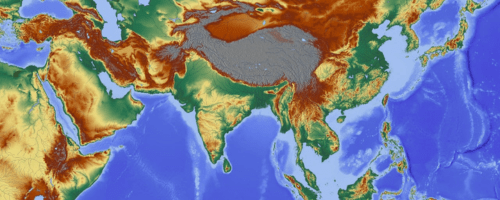
Asia: March 15, 2026
Snapshot
Asia remains functional, but the region is moving deeper into active risk management.
Japan is releasing reserves.
Large buyers are seeking backup LNG.
Japan and South Korea are watching currencies closely.
Trade diplomacy is still active but not yet resolved.
- Energy stress is still the main story. Asia is facing high exposure to oil and LNG disruption as Japan prepares reserve releases and major buyers scramble for backup supply.
- Currency pressure is rising with it. Japan and South Korea have signaled readiness to act against sharp FX volatility as weaker currencies amplify import costs.
- Trade channels remain open, but uncertainty is still elevated. U.S.-China talks in Paris are a stabilizer, yet rare earths, tariffs and tech-export controls remain unresolved.
Pressure Map
1. Energy stress ↑
Oil disruption remains the region’s top pressure point, with Asia’s import-dependent economies exposed first.
2. Financial pressure ↑
A weaker yen and won are raising imported inflation risk and pushing policymakers closer to intervention.
3. Supply-chain chokepoints ↑
Fuel insecurity is feeding into freight, industrial input costs and logistics planning.
4. Trade controls uncertainty →
Talks are continuing, but key trade and high-tech friction points are still unresolved.
5. Compute / standards fragmentation ↑
AI and chip governance remains unsettled, increasing planning uncertainty across Asian tech supply chains. This is an inference based on the unresolved export-control environment tied to ongoing U.S.-China negotiations.
What Changed (Last 24 Hours)
- Oil was set for further gains as the Middle East conflict continued disrupting supply, with the Strait of Hormuz still closed and the IEA coordinating a large reserve release.
- Japan said it would begin releasing 80 million barrels from its stockpiles on Monday to stabilize supply and prices.
- Japan’s JERA, the country’s biggest LNG buyer, moved to secure more supply and prepared contingency options if disruption persists. This was reported March 14 and remains one of the clearest active regional stress signals entering March 15.
- Japan and South Korea publicly warned about excessive FX volatility and said they were ready to act.
- U.S. and Chinese economic chiefs met in Paris to discuss tariffs, rare earths, export controls and agricultural trade.
Why It Matters
This is not only an energy story. It is a systems pressure story.
Higher oil and gas costs raise import bills.
Weaker currencies magnify the hit.
That flows into freight, food distribution, industrial costs and household affordability.
Business + Communities
For business:
Review fuel exposure, import-cost exposure and supplier continuity now. The fastest pressure is hitting energy-intensive operations, freight-dependent firms and companies with large dollar-denominated costs.
For communities:
The first real-world effects are likely to appear through higher transport, electricity and food costs rather than immediate physical shortages.
Next 24–72 Hours
- Oil market opening: watch for another leg up in prices.
- LNG procurement activity: new emergency tenders would signal tighter regional gas stress.
- FX intervention risk: actual action from Japan or South Korea would confirm pressure moving beyond warning language.
- U.S.-China trade readout: any concrete progress could reduce supply-planning stress.
- Household protection measures: more fuel caps, subsidies or emergency guidance would show pass-through pain worsening. This is an inference from current energy and FX pressure.
From Risk → Solutions
Energy stress → /solutions/distributed-energy/
Asia’s biggest exposure is still import dependence.
Capability-building means faster distributed energy, storage, demand response and local resilience planning.
Financial pressure → /solutions/resilient-payments/
Currency weakness is increasing the cost of essentials.
Capability-building means better hedging discipline, liquidity planning and payment resilience.
Supply-chain stress → /solutions/supply-resilience/
Fuel disruption spreads quickly into transport and industrial systems.
Capability-building means diversified sourcing, priority freight planning and better local stock visibility.
Mobilized Action
- Recheck 30-day fuel and power continuity plans.
- Stress-test import and FX exposure.
- Prioritize critical freight and inventory buffers.
- Prepare targeted support for household cost pressure.
- Publish clearer stock, pricing and supply data to reduce panic behavior.
Accuracy & Trust Layer
Confidence rating: Medium-High
Top 3 uncertainties
- How long the current supply disruption lasts.
- Whether FX stress becomes disorderly enough to trigger intervention.
- Whether U.S.-China talks produce operational relief on trade and tech controls.
What would change this assessment
- A calmer oil open.
- Softer LNG stress signals from major buyers.
- Concrete U.S.-China progress on tariffs, rare earths or export controls.