
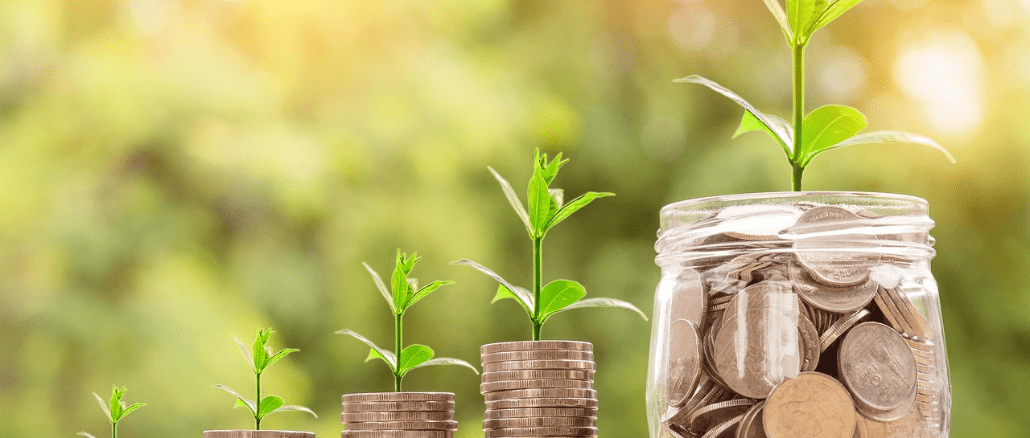
From extractive finance to ethical finance.
Main Street. Not Wall Street.
- We work.
- We earn.
- We save.
- We deposit our money.
- Then something happens that most of us rarely think about:
Our money goes to work.
- Banks lend it.
- Funds invest it.
- Markets move it.
- Corporations leverage it.
- Investors seek returns from it.
- The question is:
What is our money working for?
- Affordable homes?
- Local businesses?
- Clean energy?
- Healthy food?
- Community infrastructure?
- Worker-owned businesses?
- Or speculation, extraction, debt traps and activities we would never knowingly support?
Money is not Neutral
- Every dollar deposited somewhere eventually helps finance something.
- Every loan makes something possible.
- Every investment helps determine what gets built.
- Every financial institution makes choices about where capital flows.
Finance is one of the world’s most powerful design systems.
- Because what gets financed…
- gets built.
- And what cannot get financed…
- often never happens.
What do we have now?
- A global financial system with two increasingly different economies.
The real economy:
- People making things.
- Growing food.
- Building homes.
- Providing healthcare.
- Running businesses.
- Manufacturing products.
- Installing energy systems.
- Employing people.
- Creating useful services.
And:
The financial economy:
- Trading financial assets.
- Packaging debt.
- Buying and selling securities.
- Speculating on prices.
- Extracting fees.
- Engineering increasingly sophisticated financial products.
- Markets have legitimate purposes.
- Capital markets can finance enormous investments and distribute risk.
But trouble begins when:
Finance becomes the product and not the tool.
The question becomes:
Does the financial system serve the economy?
Or increasingly:
Does the economy serve the financial system?
Follow the money:
A Main Street business may need:
- $50,000.
- $250,000.
- $1 million.
- It might create:
- Ten jobs.
- A grocery store.
- A repair business.
- Housing.
- A restaurant.
- A manufacturing shop.
- A community energy project.
Yet accessing affordable patient capital can be difficult.
The FDIC’s 2025 Risk Review showed how important locally focused banks remain: community banks held only about 15% of banking-industry loans but provided nearly 22% of its small-business loans by the FDIC’s measure. (FDIC)
That tells us something important.
Financial institutions close to Main Street matter.
Why do we still have the system we have?
- Because finance rewards scale.
- Large pools of money seek large transactions.
- Standardized underwriting is easier than understanding thousands of small local businesses.
- Quarterly performance can matter more than twenty-year community outcomes.
- Computer models can replace relationships.
- And capital naturally gravitates toward opportunities offering:
- High returns.
- Liquidity.
- Scale.
- Speed.
- Low transaction costs.
But communities need something different:
- Patient capital.
- Relationship banking.
- Local knowledge.
- Smaller loans.
- Flexible financing.
- Affordable credit.
- Long-term investment.
And institutions that understand:
- PEOPLE.
- PLACE.
- PURPOSE.
Now Flip the Script.
The old financial system asks:
How much money can this make?
Ethical finance asks:
What can this money make possible?
FROM EXTRACTIVE FINANCE
- Where capital can flow outward while communities accumulate debt…
TO REGENERATIVE FINANCE
- Where money circulates through communities and helps create lasting assets.
From
Maximum return
To:
Sufficient return + maximum usefulness.
From:
Shareholder value
To:
Stakeholder value.
From:
Short term extraction.
To:
Long term prosperity.
From:
Financial engineering
To:
Financing the real economy.
From:
Owing
To:
Owning.
This does not mean eliminating profit.
- Healthy financial institutions must earn money.
- Loans must be repaid.
- Investments carry risk.
- Capital needs reasonable returns.
- Ethical finance is not charity.
It is finance with a purpose.
- People.
- Planet.
- Prosperity.
- And profit sufficient to keep the system healthy.
What do we actually want?
Imagine your paycheck enters your local financial institution.
Your deposits help finance:
A neighborhood business.
- A local manufacturer.
- Affordable housing.
- A cooperative.
- A regenerative farm.
- Community solar.
- A childcare center.
- A health clinic.
- A new entrepreneur.
- Those businesses employ local people.
- Those employees spend money locally.
- Local businesses buy from other local businesses.
- Community wealth grows.
- Deposits grow.
- The money circulates again.
Money becomes infrastructure.
And it is already happening.
North Dakota: — What if a state owned a bank?
- North Dakota has been answering that question since 1919.
- The Bank of North Dakota is owned by the state.
But here’s the interesting part:
It doesn’t try to replace local banks:
- It partners with them.
- A local institution knows the borrower.
- The state bank can participate in the financing and expand the local institution’s lending capacity.
- That means public capital strengthens local finance instead of competing with it.